The Adoption of Blockchain Verification Methods for Securing In-Game Asset Trades Across Platform Ecosystems
Jakob Foster · Jun 30, 2026

The Adoption of Blockchain Verification Methods for Securing In-Game Asset Trades Across Platform Ecosystems
Platform operators and developers have integrated blockchain verification methods to authenticate ownership and facilitate trades of in-game assets such as weapons, skins, and virtual currencies. These methods rely on distributed ledger technology that records transactions in immutable blocks, and they allow verification without centralized intermediaries. Research from academic institutions shows that such systems reduce disputes over asset provenance while enabling interoperability between ecosystems operated by different companies.
Verification protocols typically employ smart contracts that execute automatically once predefined conditions receive confirmation on the network. Participants initiate trades through wallets connected to game clients, after which the contract validates the asset's history and transfers control to the buyer. Data from industry reports indicates that transaction volumes involving blockchain-verified items reached notable levels by early 2025, particularly in titles supporting cross-play features.
Core Verification Techniques in Use
Developers apply several established techniques to secure these exchanges. Hash functions generate unique identifiers for each asset, while consensus mechanisms such as proof-of-stake confirm the validity of new entries across nodes. Observers note that zero-knowledge proofs have gained traction because they permit verification of ownership without exposing underlying transaction details to all network participants. Studies conducted at European universities have documented how these proofs maintain privacy standards required by data protection regulations in multiple jurisdictions.
Multi-signature requirements add another layer, demanding approval from both parties plus an escrow contract before completion occurs. This approach appears in several major titles where assets move between PC, console, and mobile environments. Figures released by trade associations reveal that platforms adopting these signatures experienced fewer reported cases of unauthorized transfers compared with traditional database methods.
Cross-Platform Integration Patterns
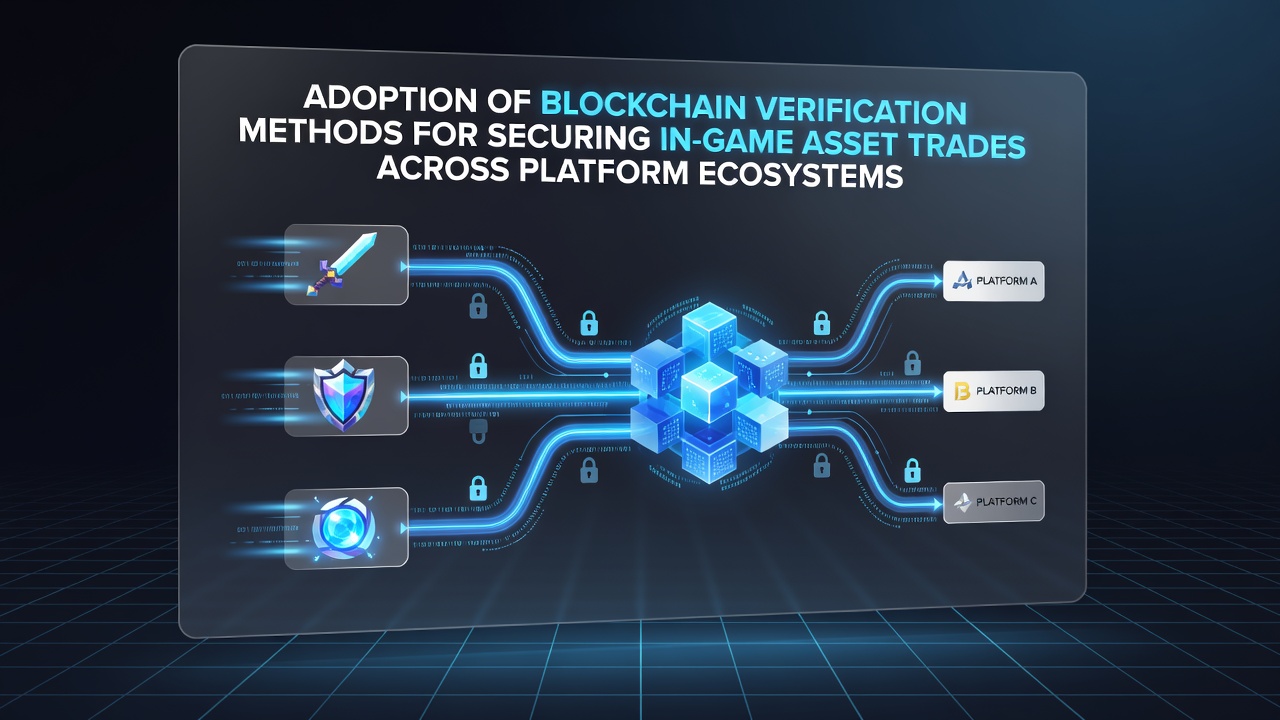
Interoperability demands that assets recognized on one platform receive acceptance on others through standardized token formats. Projects built on public blockchains allow game studios to map in-game items to tokens that retain value across ecosystems, whereas permissioned chains provide greater control for publishers concerned about regulatory compliance. Those who have examined implementation logs find that API bridges handle the translation of asset states between disparate systems, ensuring consistency during trades.
By June 2026 several leading publishers had completed pilot programs connecting their respective marketplaces via shared verification layers. These initiatives followed earlier experiments in which assets from one franchise transferred successfully into another title operated by a different company. Regulatory bodies in the European Union and Canada issued guidance documents clarifying tax treatment and consumer protections for such transactions, prompting additional studios to explore similar frameworks.
Security Outcomes and Adoption Metrics
Security analyses conducted by independent research firms demonstrate that blockchain verification reduces the incidence of duplicate or counterfeit assets entering circulation. Each trade receives timestamped validation that subsequent buyers can audit independently, creating an auditable chain of custody. Industry organizations tracking digital goods markets report that titles employing these methods saw measurable increases in player retention within trading communities.
Adoption has proceeded unevenly across regions, with North American and Asian developers leading in deployment speed while European studios focused initially on compliance alignment. Government agencies in Australia published frameworks outlining minimum security standards for blockchain-based gaming services, influencing design choices among regional operators. Academic papers examining network traffic patterns confirm that verification latency remains within acceptable bounds for real-time gameplay when optimized node distribution occurs.
Technical and Regulatory Considerations
Scalability solutions such as layer-two protocols address throughput limitations that previously constrained high-volume trading environments. These protocols batch multiple verifications off the main chain before settling final states, which maintains security guarantees while improving speed. Engineers at various studios have documented successful integration of these solutions without altering core gameplay loops.
Regulatory developments continue to shape implementation strategies. Agencies emphasize consumer disclosure requirements and anti-money-laundering checks that must accompany large-scale asset transfers. Developers respond by embedding identity verification steps at the wallet level while preserving pseudonymity for smaller transactions. Data released through public consultations shows ongoing dialogue between regulators and industry groups aimed at balancing innovation with oversight.
Conclusion
Blockchain verification methods have established a technical foundation for secure asset trading across fragmented platform ecosystems. Continued refinement of consensus protocols, privacy tools, and interoperability standards supports broader deployment as publishers align with evolving regulatory expectations. Observers tracking these developments note sustained investment in infrastructure that connects previously isolated game economies through verifiable ownership records.