Spectator-Driven Economy Models Reshaping Prize Pools in Global Fighting Game Circuits
Devon Bauer · Jun 13, 2026
Spectator-Driven Economy Models Reshaping Prize Pools in Global Fighting Game Circuits
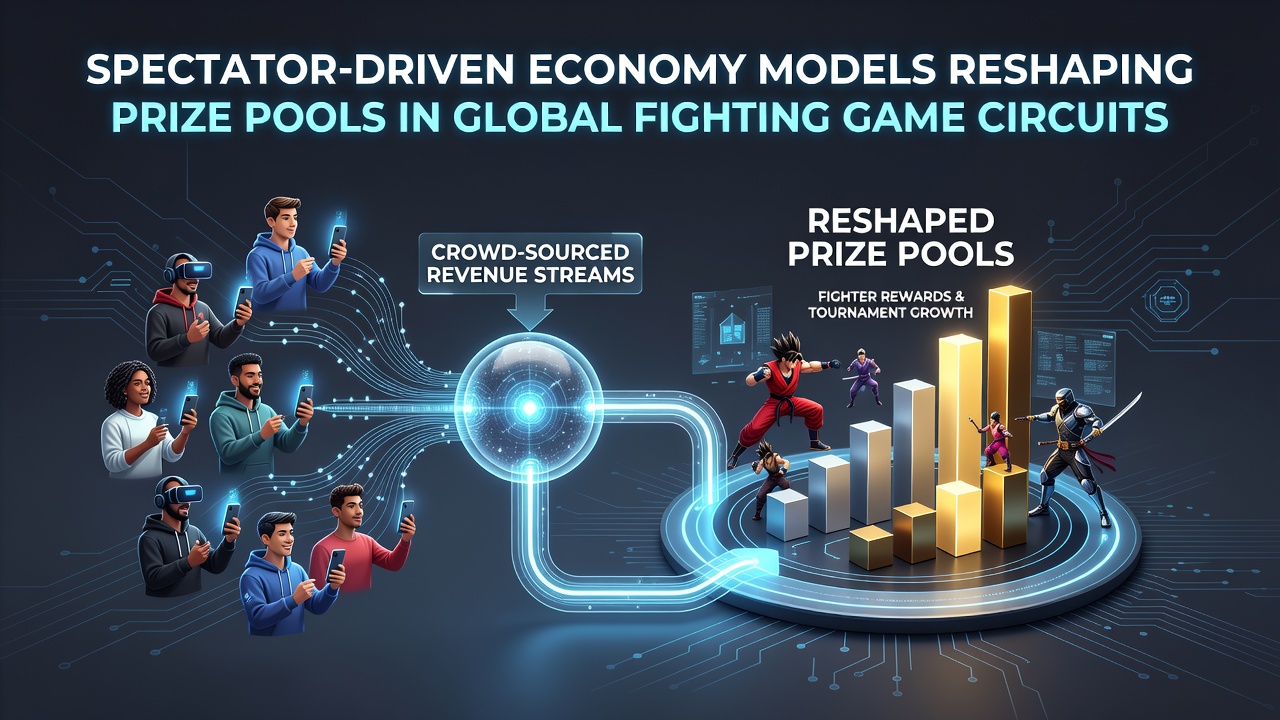
Global fighting game circuits have seen spectator contributions flow directly into prize structures through subscription platforms, direct donations, and viewer-backed events, and these models continue to expand as of June 2026 when several major circuits report record funding from audience participation. Organizers integrate live donation systems during streams while tying viewer totals to pool increases, and data from circuit reports indicate that such inflows now account for portions of total prize money previously covered solely by sponsors or organizers.
Mechanisms Behind Audience-Funded Pools
Platforms allow real-time pledges that accumulate during matches, and organizers convert those figures into supplemental prize tiers announced mid-event; this process connects viewer engagement metrics with payout adjustments, whereas traditional models relied on fixed sponsor commitments announced months ahead. Circuit operators track aggregate contributions through integrated dashboards that display running totals, and researchers at institutions tracking digital economies note correlations between peak viewership hours and spikes in pool growth. Fighting game events in regions including North America and Asia have adopted tiered reward brackets funded by these streams, which means higher spectator activity directly scales available winnings without altering base entry fees.
Regional Variations in Implementation
European circuits incorporate regulatory frameworks that distinguish between voluntary contributions and commercial betting structures, while North American events emphasize direct platform integrations such as subscription revenue shares. Australian tournament organizers have documented cases where community funds covered travel stipends for international competitors, and reports compiled by digital economy agencies highlight how these inflows stabilize smaller regional brackets. Data indicates that circuits in East Asia blend merchandise sales with live pledges to create hybrid pools, and those who've analyzed participation patterns observe that events scheduled during evening hours in viewer time zones generate measurable uplifts compared to daytime slots.
Effects on Competitor Participation and Circuit Growth
Players report entering more qualifiers when additional purse money appears through spectator channels, and organizers respond by scheduling denser calendars that accommodate growing interest. Figures from industry analyses reveal increased registration numbers in circuits that publicize audience-funded components, whereas circuits without such transparency show steadier but lower growth. Training facilities in urban centers have adjusted schedules to align with high-traffic broadcast periods, and this alignment allows competitors to capitalize on potential pool expansions during live sessions. Observers note that the shift encourages consistent performance across preliminary rounds since cumulative donations can elevate later-stage rewards.
Data Trends and Measurement Approaches
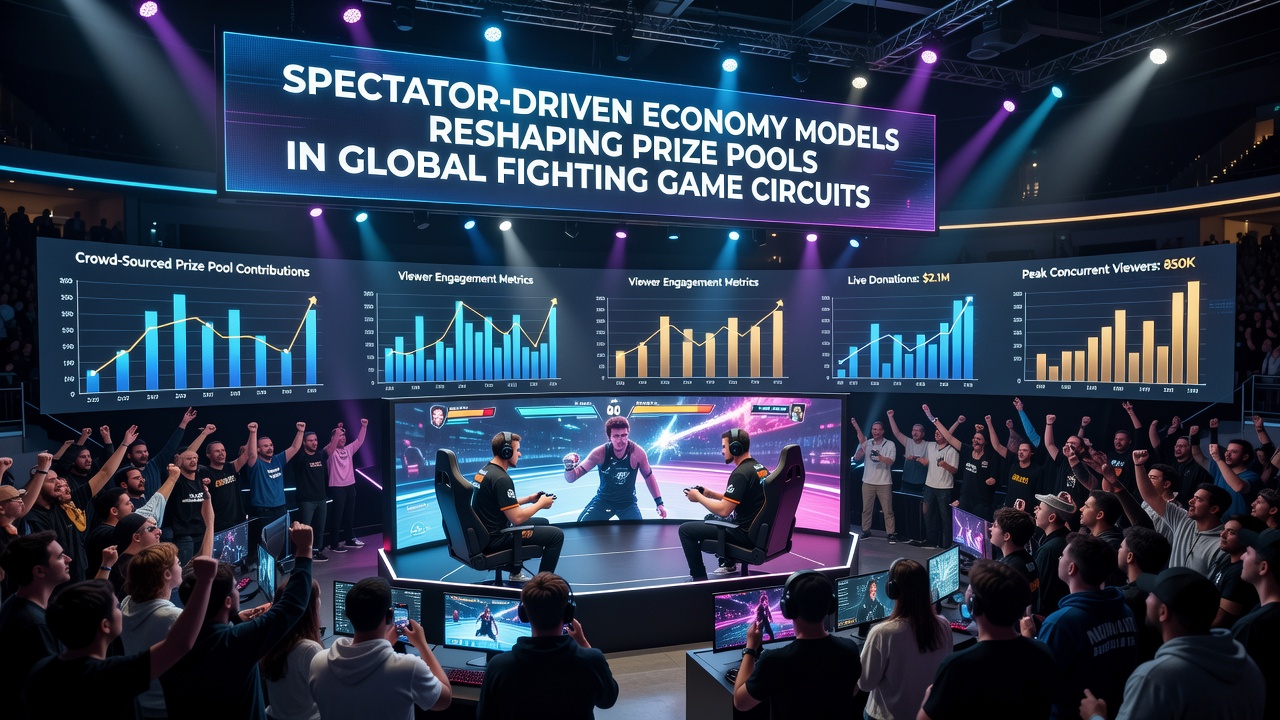
Analytics teams compile contribution logs alongside viewership statistics to produce quarterly summaries, and these documents show percentage increases in total pools over multi-year periods for circuits adopting spectator models. University-led studies on participatory funding in esports track variables including average pledge size and repeat donor frequency, while industry groups publish aggregated benchmarks that allow organizers to compare performance across regions. Evidence from these compilations suggests that circuits maintaining transparent ledgers experience sustained audience retention, and the patterns hold across both established series and emerging regional leagues. June 2026 updates from multiple circuits list specific events where viewer totals pushed pools beyond initial sponsor baselines, providing concrete reference points for ongoing evaluations.
Integration With Existing Sponsorship Structures
Sponsors continue to provide foundational support while spectator models add variable layers, and organizers structure contracts to allocate percentages of audience funds toward marketing activations that benefit both parties. This layered approach maintains stability for core operations even when contribution volumes fluctuate, and examples from circuits in Canada demonstrate successful blending of corporate backing with community pledges. Trade associations focused on competitive gaming have issued guidelines that clarify disclosure requirements for mixed funding streams, ensuring participants understand the composition of each prize allocation. Those monitoring circuit finances note that hybrid structures reduce reliance on single revenue sources and distribute risk across multiple channels.
Conclusion
Spectator-driven contributions have become measurable components within global fighting game prize ecosystems, and circuits continue to refine integration methods based on performance data collected through 2026. Participation metrics and funding logs provide the basis for adjustments, while regional adaptations reflect local regulatory and platform conditions. The ongoing evolution connects audience activity directly to competitor incentives without displacing established organizational frameworks.