Silent Cooling Systems Transforming Nocturnal Esports Training Sessions in Shared Urban Living Spaces
Devon Bauer · Aug 20, 2026
Silent Cooling Systems Transforming Nocturnal Esports Training Sessions in Shared Urban Living Spaces
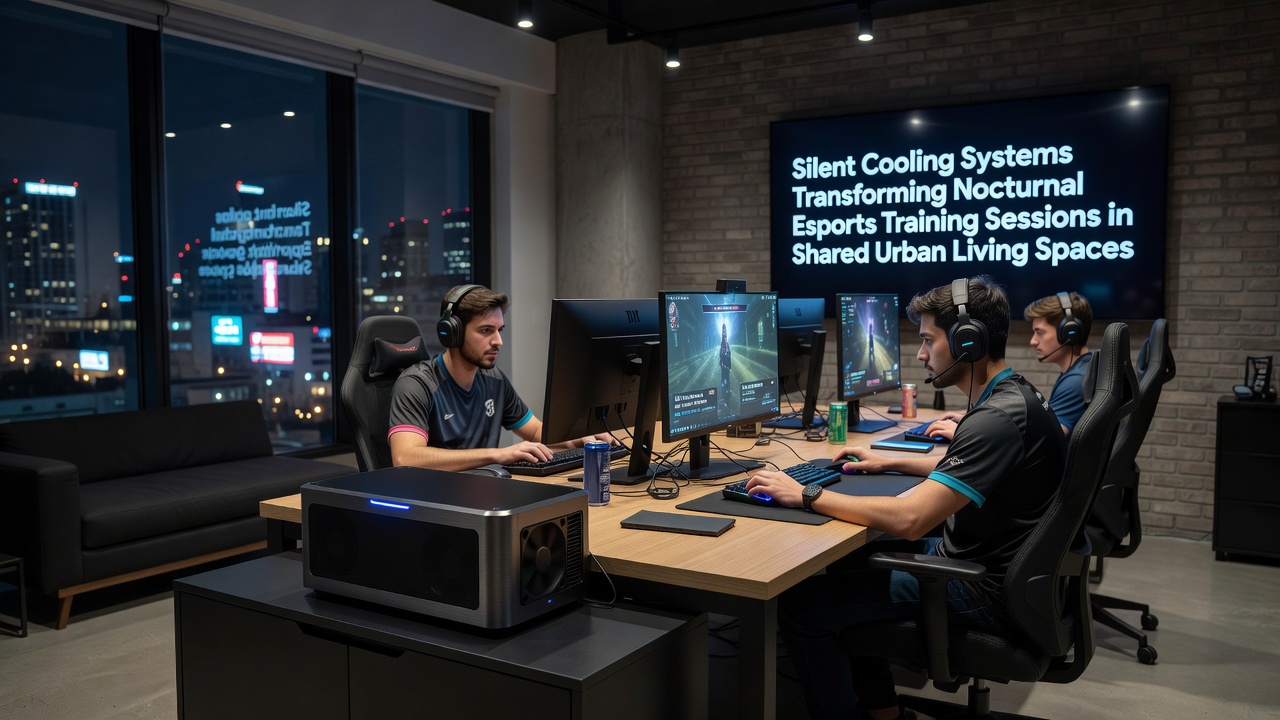
Shared urban apartments have seen rising numbers of esports athletes conducting training sessions after dark, and silent cooling systems now address the core challenge of heat management without generating audible disturbances for roommates or neighbors. These technologies combine advanced fan designs, liquid cooling loops, and acoustic insulation materials that reduce operational noise to levels below 20 decibels during extended use. Data from housing studies in dense city environments indicate that such systems allow players to maintain hardware temperatures under 70 degrees Celsius while operating at full load throughout nighttime hours.
Core Technologies Driving Noise Reduction
Engineers have developed hybrid cooling architectures that integrate passive heat pipes with variable-speed pumps, and these setups adjust flow rates automatically based on real-time thermal sensors. Ceramic composite heatsinks and vibration-dampening mounts further isolate mechanical sounds, while phase-change materials absorb excess heat during peak processing periods. Researchers at Canadian institutions documented performance gains in compact PC builds where these components replaced traditional air coolers, showing sustained frame rates without spikes in acoustic output. In August 2026, several manufacturers released updated models featuring magnetic levitation fans that eliminate bearing friction entirely, and early adoption data from urban esports facilities reveal consistent noise profiles across different hardware configurations.
Adaptations for Shared Living Environments
Urban residents often face strict building regulations on nighttime noise, and silent cooling solutions incorporate enclosure designs with multi-layer foam barriers that contain sound waves within the immediate workspace. Custom ducting routes airflow away from living areas, and software interfaces allow users to set quiet modes that prioritize low decibel operation during specific hours. Observers note that these adaptations prove particularly useful in studio apartments where training stations sit adjacent to sleeping quarters, and figures from property management reports show reduced complaint rates in buildings equipped with such retrofitted systems. Professional players in European cities have integrated these setups into modular desks that double as sound shields, maintaining training continuity without external conflicts.
Performance Impacts on Training Routines
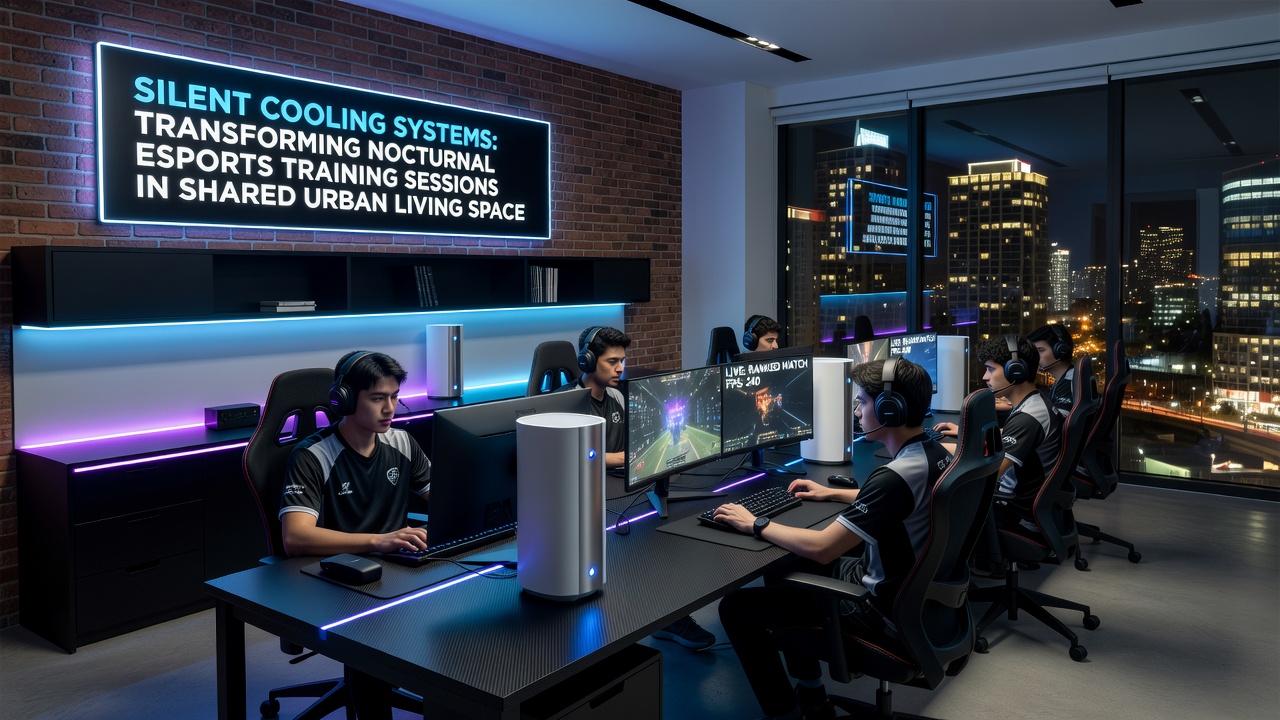
Longer practice sessions become feasible when cooling systems operate without interruption, and biometric tracking tools paired with these setups record stable player focus levels across multiple hours. Studies conducted by Australian research groups on competitive gamers demonstrate that reduced ambient noise correlates with fewer errors in high-intensity drills, while hardware longevity increases due to consistent thermal control. In shared spaces, teams coordinate training schedules around these quiet technologies, allowing multiple athletes to prepare simultaneously without acoustic interference. Data collected through 2026 indicates broader adoption among mid-tier competitors who previously relied on public facilities, and integration with existing power management platforms ensures energy efficiency remains balanced with cooling demands.
Case Examples from Dense City Markets
One group of Tokyo-based players retrofitted their living quarters with modular liquid cooling kits that fit within standard entertainment units, and follow-up measurements confirmed noise reduction sufficient for 24-hour operation in multi-tenant buildings. Similar installations appeared in New York shared housing complexes where space constraints limited traditional tower coolers, yet performance metrics matched those recorded in dedicated training centers. European esports organizations reported comparable outcomes after distributing standardized silent cooling packages to members in high-density districts, with participation rates rising as logistical barriers diminished. These examples illustrate how targeted engineering addresses both thermal and social constraints inherent to urban esports preparation.
Emerging Developments and Standards
Industry bodies continue refining certification protocols for low-noise gaming hardware, and upcoming guidelines from international standards groups emphasize measurable acoustic thresholds alongside thermal benchmarks. University laboratories in multiple regions explore next-generation materials such as graphene-enhanced thermal interfaces that further suppress fan reliance, while pilot programs test integrated building ventilation that couples with individual setups. August 2026 saw the release of updated compliance frameworks in several metropolitan areas, and early compliance data suggest accelerated uptake among residential users. These advancements build on prior innovations in compact electronics cooling, extending viability for nocturnal routines in constrained environments.
Conclusion
Silent cooling systems have reshaped how esports athletes approach nighttime training within shared urban dwellings by delivering reliable thermal management at minimal acoustic cost. Continued refinement of component materials and control algorithms supports expanding access to consistent practice conditions, and geographic data from multiple continents confirm measurable improvements in session duration alongside community compatibility. As hardware evolves and standards mature, these technologies sustain competitive preparation across diverse living arrangements.