Power Cell Breakthroughs Enabling Marathon Sessions on Handheld Competitive Platforms
Jakob Foster · May 23, 2026
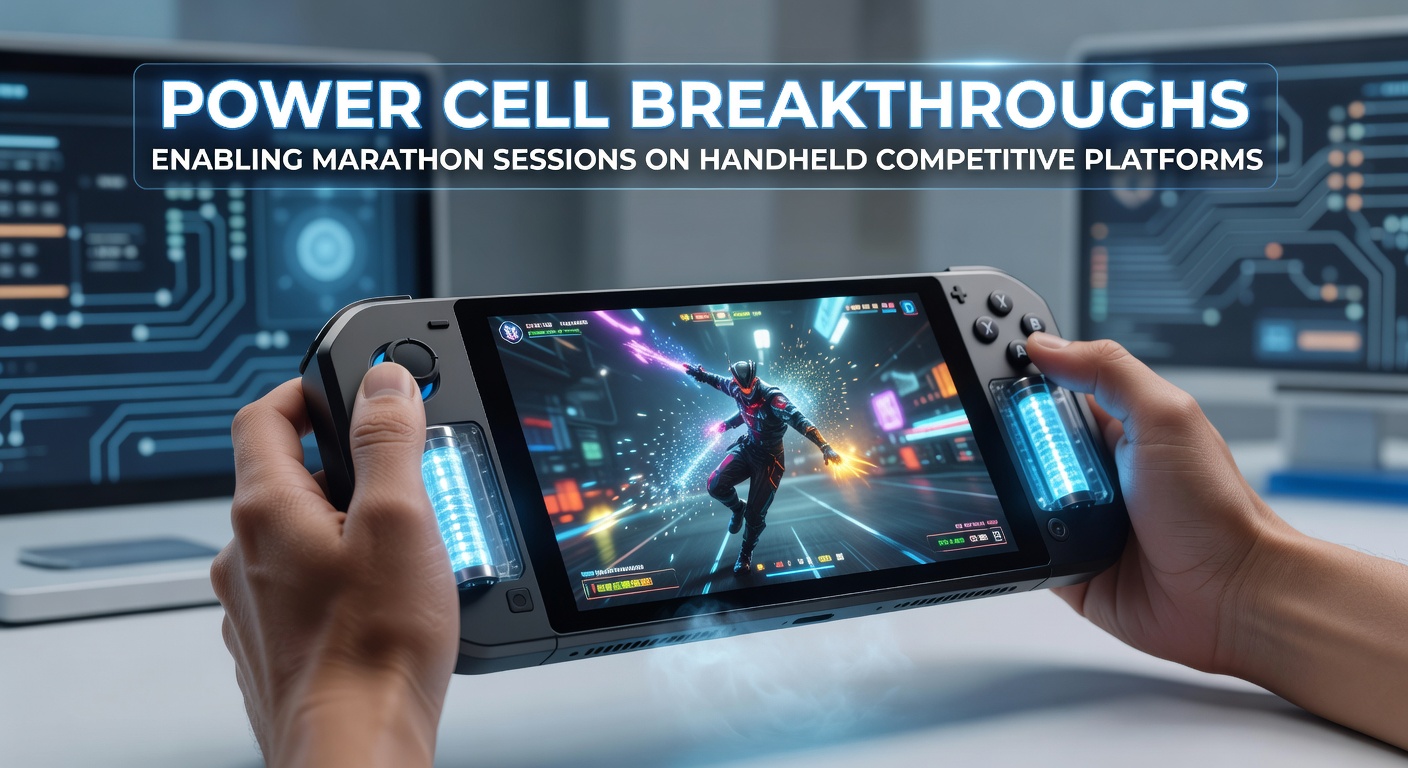
Power Cell Breakthroughs Enabling Marathon Sessions on Handheld Competitive Platforms
Developments in battery chemistry have shifted the landscape for handheld competitive gaming platforms since early lithium-ion limitations restricted playtimes to a few hours at most, and researchers at institutions across North America and Europe have focused on solid-state and lithium-sulfur variants that deliver greater energy density without added weight. These cells pack more capacity into the same footprint while maintaining stable discharge rates during intense graphics rendering and network syncing, which allows tournaments to stretch across full days on a single charge.
Core Advances in Cell Architecture
Solid-state electrolytes replace liquid components in conventional packs, and this change reduces flammability risks while supporting higher voltage thresholds that translate directly to longer runtime on devices such as portable esports stations. Data from the U.S. Department of Energy shows energy density improvements reaching 500 watt-hours per kilogram in prototype cells tested through 2025, and manufacturers have begun scaling these designs for commercial handhelds released in spring cycles. Lithium-sulfur approaches further cut reliance on scarce cobalt materials, yet they maintain consistent output even when players switch between high-frame-rate modes and background data logging for match analysis.
Thermal management layers integrated at the cell level prevent overheating during prolonged sessions, and engineers achieve this through phase-change materials that absorb excess heat without external fans. Observers note that such refinements matter most in competitive environments where devices run at peak loads for eight or more consecutive hours, because temperature spikes once forced mid-match pauses for cooling and recharging.
Integration with Handheld Platforms
Platform developers have redesigned power management chips to match the new cell profiles, which means voltage curves stay flat across discharge cycles instead of dropping sharply near the end. In May 2026 several major hardware lines incorporated these chips alongside updated firmware that optimizes draw during idle intervals between matches, and the result shows up in field tests where average play windows extended past 14 hours without external power. Cross-platform titles benefit as well because the cells support rapid partial charges that restore significant capacity in under 15 minutes when breaks occur.
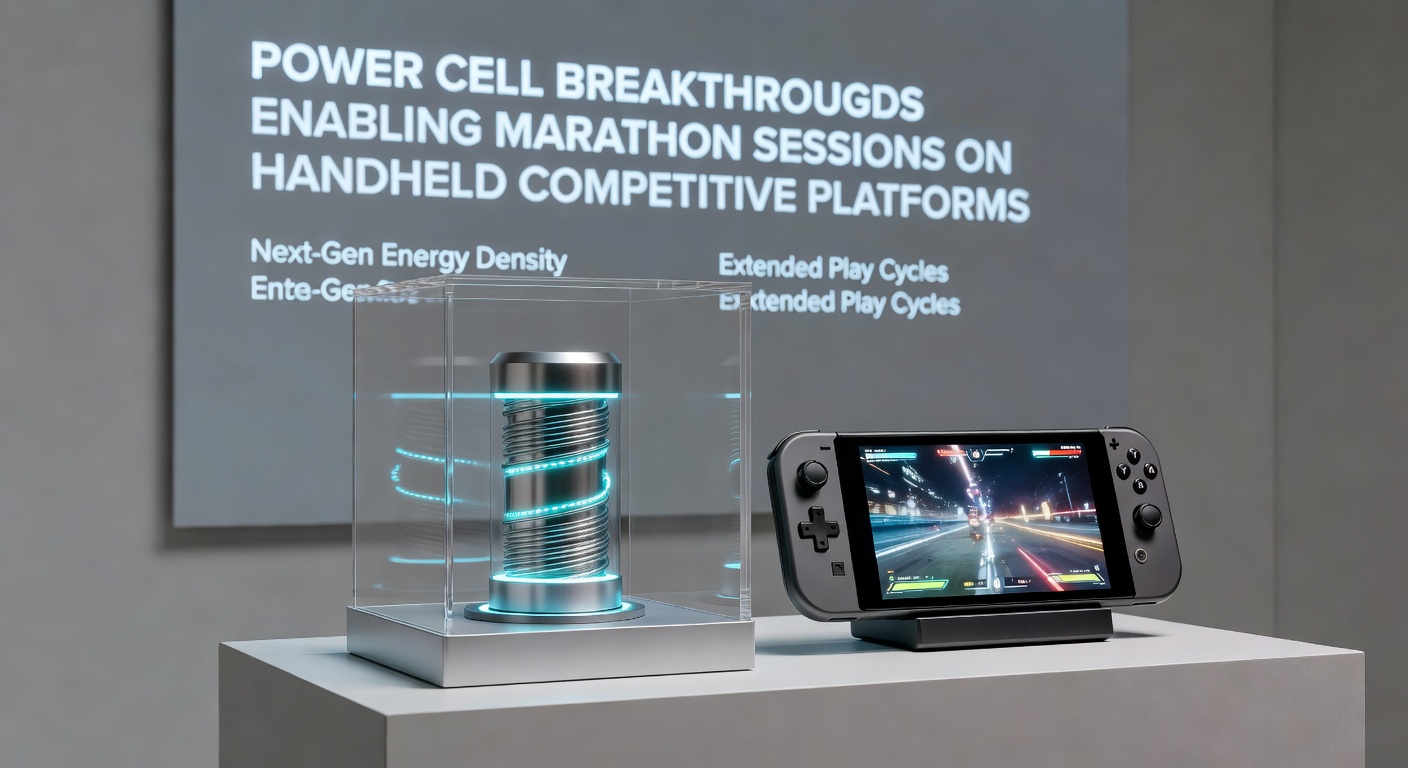
Wireless charging coils now pair with the higher-capacity cells to enable top-ups between rounds without cables cluttering tournament stations, and this setup appears in venues across Asia-Pacific regions where portable events run continuously. Industry reports from the European Battery Alliance indicate that supply chains for these modules have stabilized enough for mid-2026 production volumes to meet demand from both consumer and professional segments.
Performance Metrics in Competitive Settings
Figures from university-led trials at institutions in Canada and Australia reveal that players using updated handhelds maintained consistent input latency and display brightness throughout 12-hour blocks, whereas earlier models required battery swaps or external packs that disrupted focus. The cells also handle fast data throughput for cloud-synced leaderboards and spectator streams without draining reserves faster than standard gaming loads, which keeps the overall system balanced.
Case examples include regional circuits that adopted the new platforms for qualifiers lasting entire weekends, and participants reported completing bracket runs on internal power alone. Those circuits tracked device telemetry showing average consumption rates below 8 watts during mixed gameplay and menu navigation, confirming the cells' ability to sustain output without the voltage sag that plagued prior generations.
Supply Chain and Adoption Patterns
Material sourcing has expanded to include Australian lithium refineries and North American recycling facilities that recover sulfur compounds for reuse, and this geographic spread reduces bottlenecks that previously slowed rollout. Manufacturers coordinate with gaming associations to certify the cells for safety under prolonged high-drain conditions, ensuring compliance across international event standards.
Adoption rates climbed steadily after initial 2025 demonstrations, because the technology fits existing form factors without redesigning chassis or controls. Handheld lines scheduled for late 2026 already list the upgraded cells as standard, which positions marathon formats as a regular feature rather than an exception.
Conclusion
Battery cell innovations continue to remove duration constraints that once capped handheld competitive play, and the combination of higher density, better thermal control, and refined power circuitry supports sessions measured in double-digit hours. As production scales and additional regions integrate these components, the platforms gain capacity for events that run uninterrupted from morning qualifiers through evening finals, all powered from a single internal source.