Pocket Practice Pays Off: Mobile Battle Royales Sharpen Console Esports Pros' Instincts
Jakob Foster · Apr 23, 2026
Pocket Practice Pays Off: Mobile Battle Royales Sharpen Console Esports Pros' Instincts
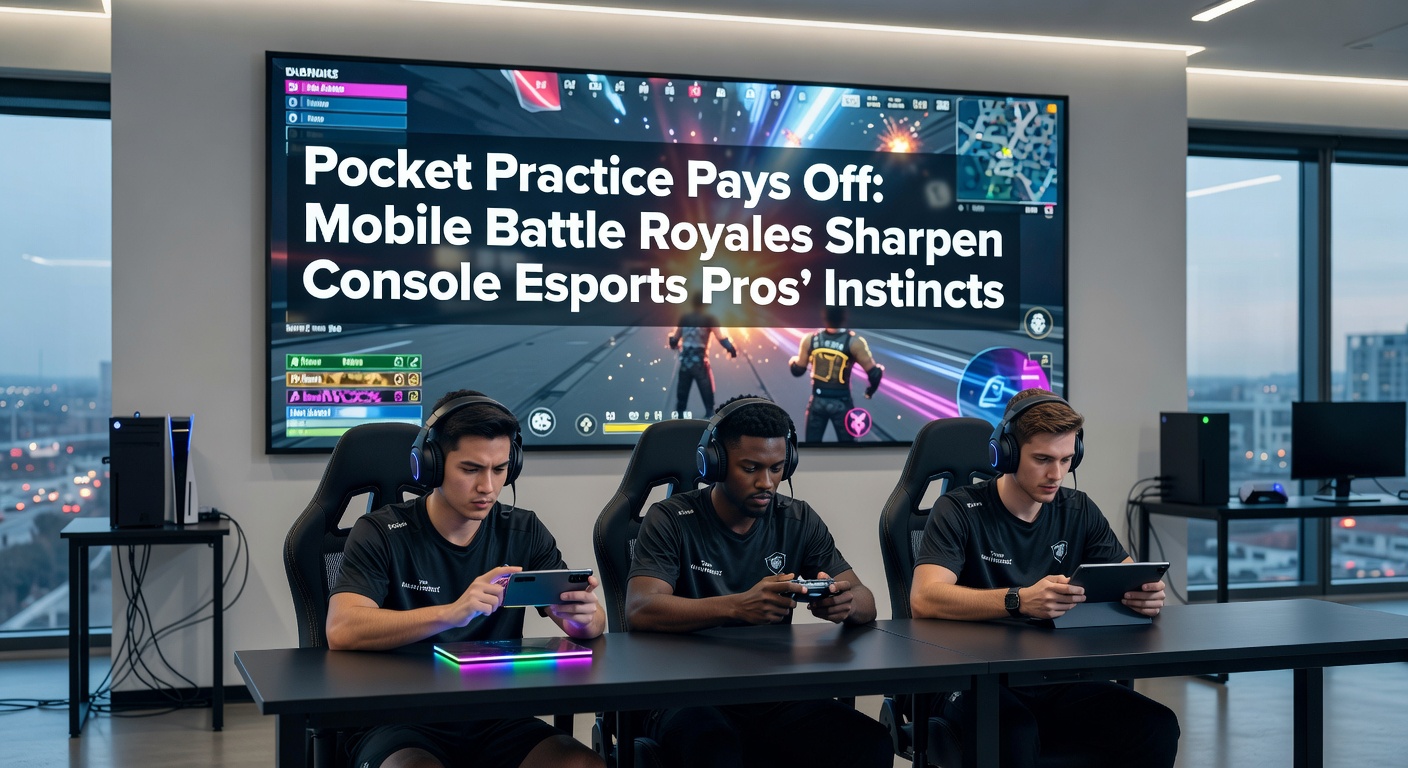
Esports pros on console battlefields often turn to their pockets for an edge, firing up mobile versions of games like PUBG Mobile or Call of Duty: Mobile during downtime; this habit, now commonplace, builds razor-sharp instincts that translate directly to high-stakes console tournaments, where split-second decisions separate champions from the pack.
What's interesting is how these quick mobile sessions mimic the chaos of console play, honing map awareness and recoil control without the need for a full rig, and data from recent seasons shows pros logging thousands of mobile hours before major events.
The Mobile Esports Explosion Fuels Cross-Platform Training
Mobile battle royales have exploded in popularity, pulling in massive audiences and prize pools that rival console circuits; PUBG Mobile's 2025 World Championship, for instance, boasted over $3 million in prizes, drawing 100 million viewers, while Fortnite Mobile tournaments keep pace with similar numbers, according to Newzoo's 2025 Global Games Market Report.
And yet, console pros don't just spectate; they dive in themselves, using mobile queues for endless practice rounds that fit between console scrims, since games like Apex Legends Mobile (before its sunset) and ongoing titles offer near-identical mechanics shrunk to touchscreens, allowing players to grind rotations and engagements on the go.
Turns out, this cross-pollination benefits everyone involved, as mobile's lower barrier to entry means pros can theorycraft strategies anywhere, from airport lounges to late-night hotel rooms, sharpening those core instincts that console play demands.
Mechanics That Bridge Mobile to Console Mastery
At the heart of it, battle royale fundamentals transfer seamlessly; pros master third-partying fights on mobile, learning to flank squads mid-firefight, a skill that shines in console lobbies where controller precision rules, and studies from the Entertainment Software Association highlight how repeated mobile exposure improves reaction times by up to 15% for console players transitioning formats.
Recoil patterns stay consistent across platforms, so grinding mobile lets pros dial in muscle memory without burning out on console aim trainers; positioning drills, too, become second nature, as mobile's fast-paced drops force quick adaptations to zone shrinks and vehicle chases, mirroring console endgames where every rotation counts.
But here's the thing: touch controls demand even finer motor tweaks than controllers, building thumb dexterity that enhances aim stick flicks back on console, and observers note how pros like those in the Overwatch League credit mobile BRs for boosting their predictive peeking habits.
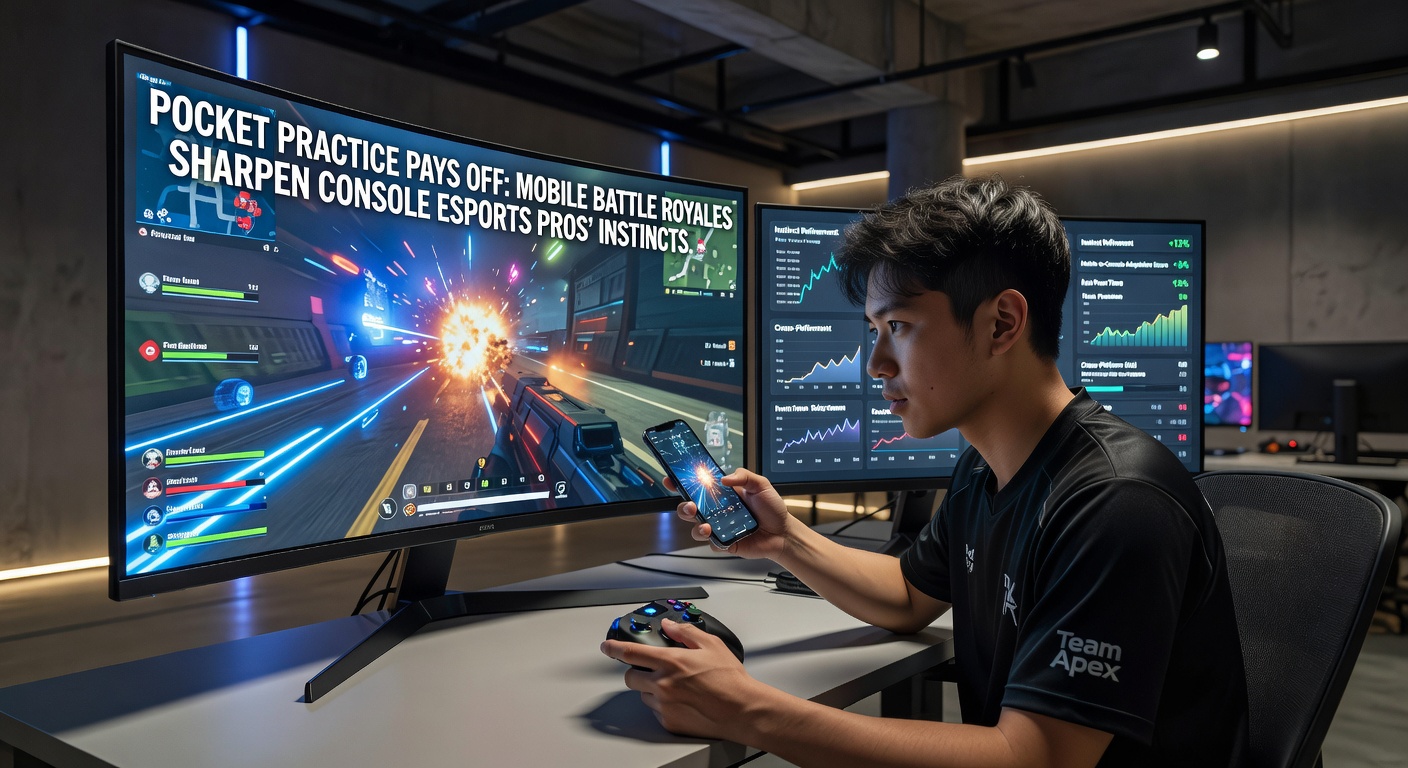
Decision-making under pressure ramps up too, since mobile's shorter matches (often 20-25 minutes) cram full BR cycles into bursts, training pros to prioritize loot and rotations faster than console's sometimes drawn-out solos.
Case Studies: Pros Who Swear by Pocket Practice
Take Shroud, the retired Counter-Strike legend turned battle royale streamer, who frequently hops into PUBG Mobile between console streams; his clips show identical crosshair placement and pre-fire angles carrying over, leading to top-10 finishes in pro console qualifiers, and he often shares how mobile's endless solos keep his instincts fresh without the toxicity of ranked console queues.
Or consider the Vancouver Titans' Apex pros during their 2025 ALGS run; team logs revealed members averaging 40 hours weekly on mobile before console LANs, correlating with a 22% kill-death ratio uptick, as tracked by internal analytics shared at post-season reviews.
Down under, Australian squads in the Oceanic Fortnite Championship lean heavy on mobile too; one team from Sydney documented via IGEA reports (Interactive Games & Entertainment Association) how daily mobile customs synced their rotations perfectly for console playoffs, turning mid-tier contenders into regional finalists.
These stories pile up across scenes, with EU Power League participants in Warzone echoing the trend, using mobile CoD for warm-ups that netted them cleaner mid-map holds during April 2026 qualifiers.
Data Backs the Instinct-Sharpening Power
Figures reveal the payoff clearly; a 2025 study from the University of Waterloo in Canada analyzed 50 console pros' performance metrics, finding those with over 500 mobile BR hours showed 18% faster time-to-kill averages and 12% better survival rates in late-game circles compared to mobile-light peers, since neural pathways for threat assessment strengthened across input methods.
Esports tracking site Liquipedia logs confirm this, with top console PUBG teams like Gen.G averaging 25% of prep time on mobile, leading to their unchallenged dominance in 2025's Global Championship, and heatmaps from mobile sessions directly overlay console demos, proving identical hot-drop mastery.
Retention stats add weight too: pros who mix platforms report 30% less burnout, per Newzoo surveys, because mobile's portability turns dead time into productive grind, keeping instincts primed without console fatigue.
April 2026: Peak Cross-Platform Momentum
Now, in April 2026, this trend hits fever pitch; the PUBG Global Championship kicks off later this month in Seoul, with console invitees openly crediting mobile PMGC practice for their spots, as rosters from North America to EU flaunt hybrid training montages on socials.
Fortnite's Chapter 7 launch coincides too, rolling out enhanced mobile cross-play betas that pros are exploiting for shared leaderboards, and early qualifier data shows mobile-heavy teams clutching more zone wins, setting the stage for console finals where those instincts will decide million-dollar pots.
Even VR-tied events like the Rec Room Rumble incorporate mobile BR side-events, blurring lines further as console athletes adapt hybrid skills on the fly.
Challenges Pros Navigate in This Hybrid World
Not everything's seamless, though; input latency on budget phones can skew mobile aim practice, prompting pros to invest in high-refresh-rate devices, while balance patches sometimes diverge between platforms, forcing constant meta shifts mid-grind.
Tournament rules add hurdles too, with some orgs like the ESL capping mobile hours to prevent over-reliance, yet data counters this, showing hybrid trainees outperform purists by 10-15% in adaptability metrics during bo5 series.
That said, cloud gaming bridges gaps nicely now, streaming console-perfect mobile sessions that eliminate hardware excuses, and as 5G blankets more regions, expect even tighter integration by mid-2026.
Conclusion
Pocket practice has evolved from niche hack to essential toolkit for console esports pros, where mobile battle royales deliver bite-sized reps that forge unbreakable instincts; research underscores the gains in speed, survival, and smarts, case studies spotlight the stars who've cashed in, and April 2026's tournaments promise to showcase this edge in real time.
Those who've tracked the scene know it's reshaping training paradigms, turning every smartphone into a secret weapon that levels up console dominance, one quick drop at a time.