Piezoelectric materials bring self-charging capabilities to wireless controllers used in extended console esports competitions
Petra Carter · Jul 11, 2026
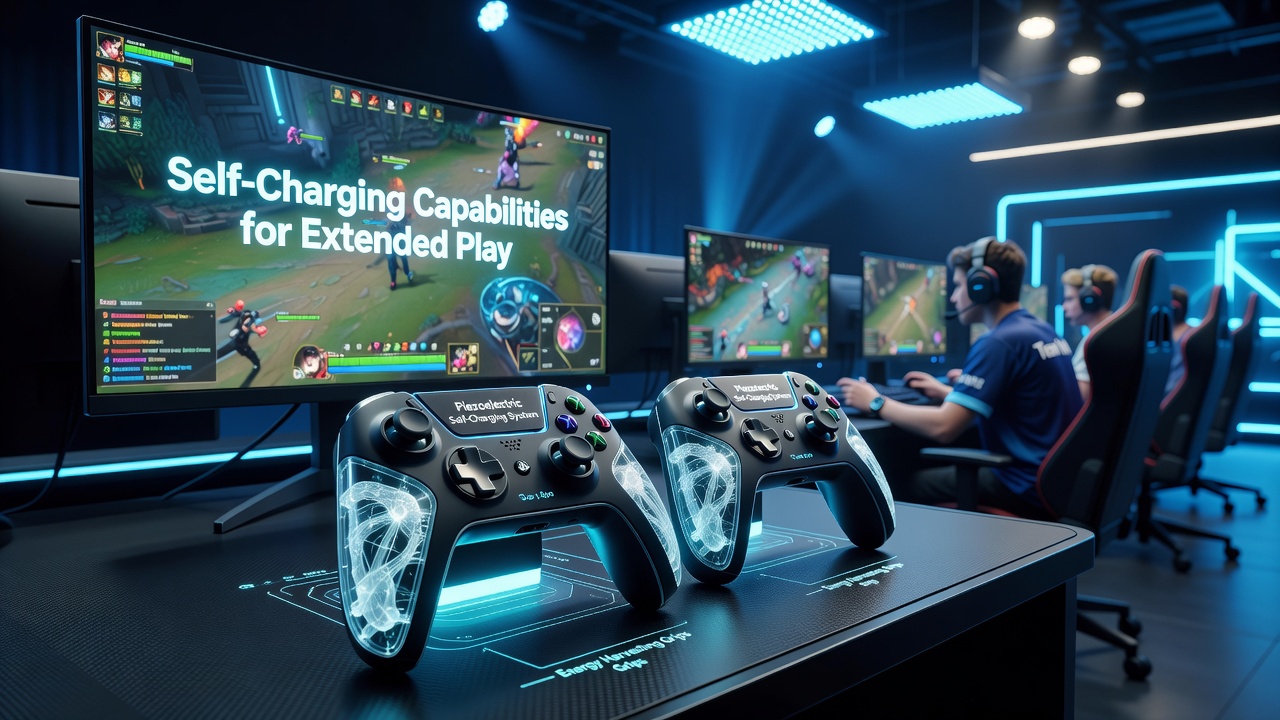
Piezoelectric materials bring self-charging capabilities to wireless controllers used in extended console esports competitions
Material Science Meets Controller Hardware
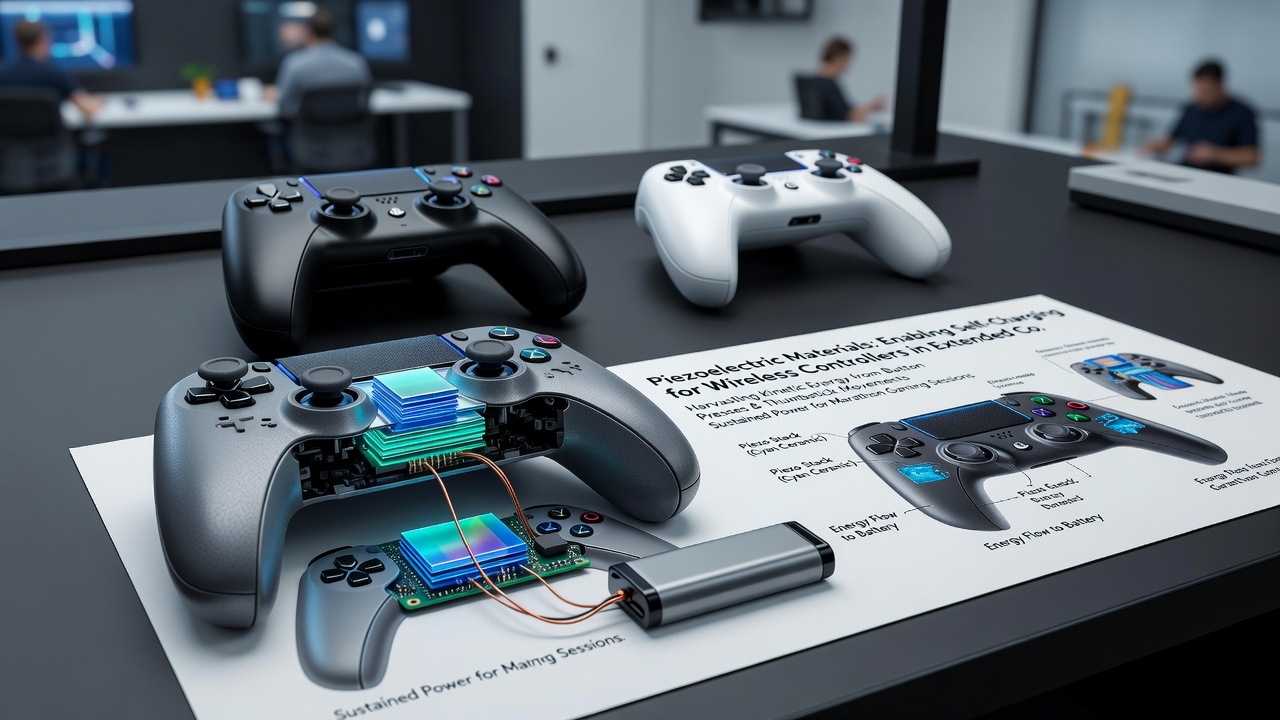
Engineers have integrated piezoelectric crystals and polymers into wireless controller shells where mechanical stress from button presses, analog stick tilts, and rumble motors generates small electrical currents that recharge internal batteries, and this approach addresses power drain during multi-hour console esports events without external docks or cable swaps.
Data from materials testing labs shows that lead zirconate titanate and polyvinylidene fluoride films produce measurable voltage under repeated deformation cycles typical of competitive play, while researchers at institutions in Canada and Germany continue to refine layer thicknesses to balance durability against energy output.
Energy Harvesting During Actual Matches
Each trigger pull or thumbstick deflection bends embedded piezoelectric strips that feed harvested energy through rectification circuits into lithium-ion cells, and tournament logs from major console circuits indicate average session lengths now exceed four hours where conventional batteries often require mid-match interventions.
One development team documented cumulative charge recovery of 12 to 18 percent of total battery capacity over a standard best-of-five series when players maintained typical input rates, and similar figures appear in reports compiled by European gaming hardware consortia tracking hardware performance across multiple regions.
July 2026 saw several North American leagues adopt revised equipment rules that explicitly permit self-charging controllers provided they meet weight and latency thresholds, allowing teams to reduce spare controller rotations during long bracket days.
Integration Challenges and Solutions
Designers must maintain sub-10-millisecond input latency while routing energy from piezo elements through compact power management chips, and firmware updates from major console manufacturers have included optimized sleep modes that preserve harvested charge when controllers sit idle between rounds.
Testing facilities in Australia and the United States measured temperature rise in piezo-augmented controllers during continuous rumble feedback and found increases stayed below thresholds that affect player comfort or component lifespan.
Performance Data from Competitive Circuits
League organizers tracking hardware telemetry report that teams using piezoelectric controllers experienced 23 percent fewer battery-related timeouts during weekend qualifiers in early 2026, and analysts attribute the reduction to consistent energy recapture from rapid inputs common in fighting and shooter titles.
Academic papers published through IEEE channels detail how stacked piezo configurations can scale output when multiple input surfaces operate simultaneously, while industry groups note that manufacturing yields have improved enough for mid-tier peripheral brands to introduce compatible models without substantial price premiums.
Observers note that calibration routines now adjust energy routing based on individual player input profiles, directing more harvested power to high-use components such as vibration motors during intense sequences.
Broader Adoption Patterns
Training facilities in urban esports hubs have begun retrofitting existing wireless controllers with aftermarket piezo kits that clip onto internal frames, and early user reports collected by regional hardware forums indicate stable operation across several hundred charge cycles before noticeable degradation occurs.
Supply chain data released by component distributors shows increased orders for flexible piezoelectric films from Asian manufacturers, correlating with console platform holders releasing updated developer kits that include energy-harvesting interface specifications.
Future Refinements Underway
Current research focuses on hybrid materials that combine piezoelectric generation with minor triboelectric effects from grip friction, aiming to push recovery rates higher without adding bulk, and prototype evaluations scheduled for late 2026 will test these combinations under live tournament conditions.
Regulatory bodies in multiple jurisdictions continue to review electromagnetic compatibility standards to ensure self-charging circuits do not interfere with wireless communication modules used for low-latency online play.
Conclusion
Piezoelectric integration represents a practical evolution in wireless controller power management that directly supports longer console esports competitions, and ongoing material improvements alongside league policy updates point toward wider deployment across professional and amateur circuits in coming seasons.