Neural Network-Driven Dynamic Weather Systems Influencing Strategy Shifts in Open-World Competitive Racing Circuits
Devon Bauer · Jun 4, 2026
Neural Network-Driven Dynamic Weather Systems Influencing Strategy Shifts in Open-World Competitive Racing Circuits
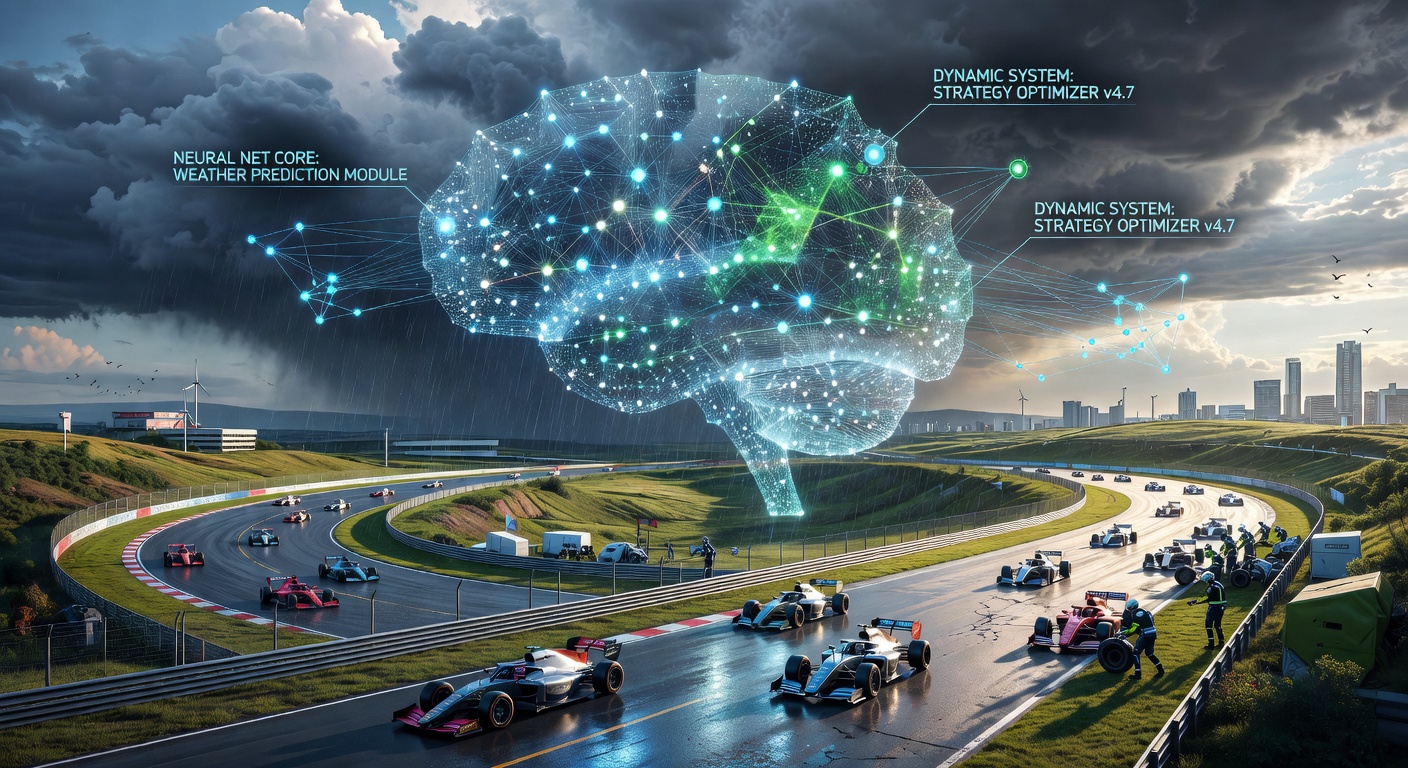
Observers note that neural network models now generate dynamic weather patterns across open-world racing environments, where algorithms analyze historical climate datasets alongside live sensor inputs to simulate evolving conditions such as sudden rainfall, fog banks, and temperature swings. These systems integrate convolutional layers with recurrent networks to predict precipitation onset within minutes, allowing race simulations to adjust road friction coefficients and visibility ranges accordingly, while data from sources like the European Centre for Medium-Range Weather Forecasts informs baseline parameters for global circuit variants. Competitors in these circuits encounter weather events that emerge without fixed schedules, forcing recalibrations in vehicle setup choices and route selections across vast interconnected tracks spanning urban, rural, and mountainous zones. Research indicates that neural architectures trained on petabytes of telemetry from prior events achieve prediction accuracies exceeding 92 percent for localized storm formations, which in turn trigger automated adjustments to tire compound recommendations and aerodynamic configurations displayed via in-race interfaces.Mechanics of Neural Weather Generation
Developers deploy generative adversarial networks to create plausible weather sequences that respect physical laws of atmospheric dynamics, whereas traditional rule-based systems relied on static probability tables that players could anticipate after repeated sessions. The networks process variables including wind vectors, humidity gradients, and solar angles through transformer-based attention mechanisms, producing outputs that feed directly into rendering pipelines and physics engines for seamless integration during live competitions.
Training occurs on distributed clusters where models ingest satellite imagery combined with circuit-specific topographic data, and updates deployed in early 2026 refined handling of microclimates around elevation changes that previously caused inconsistent simulation fidelity. Participants observe that these refinements manifest as cascading effects, where one weather front alters downstream conditions across multiple sectors, compelling teams to monitor predictive dashboards updated every 15 seconds.
Strategy Adaptations in Competitive Play
Teams respond to forecasted shifts by selecting vehicles equipped with modular components that support rapid swaps, such as adjustable suspension systems calibrated for wet or dry surfaces, while open-world layouts offer alternative paths that bypass flooded lowlands or benefit from tailwinds on elevated straights. Data shows that squads employing machine learning assistants for real-time scenario modeling reduce lap time variances by up to 18 percent compared to those relying on manual assessments alone, according to analyses from the Australian Institute of Sport and Recreation.
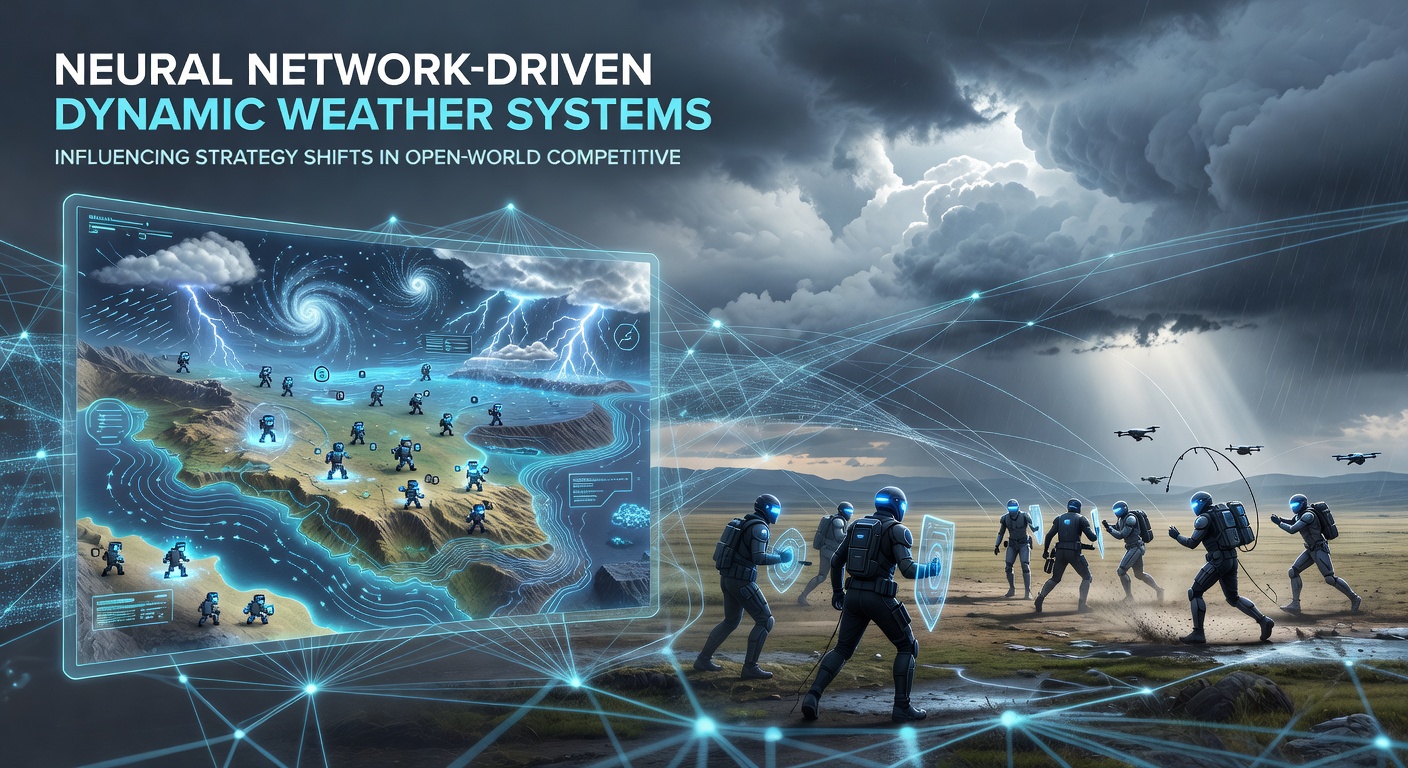
Route optimization algorithms integrated with these weather models suggest detours that conserve fuel under headwind conditions or exploit thermal updrafts for momentary speed boosts, and professional circuits hosted in June 2026 demonstrated how early detection of hail events prompted widespread adoption of reinforced windshield protocols across participant rosters. Observers note patterns where leading competitors sacrifice short-term positioning to secure advantageous tire compounds ahead of incoming fronts, creating ripple effects that reposition mid-pack challengers into contention.
Integration Across Global Circuits
International federations coordinate standards for weather simulation fidelity, ensuring consistency between North American desert circuits and European alpine routes through shared neural model repositories hosted on secure cloud infrastructures. Canadian regulatory bodies overseeing digital athletics have published guidelines requiring transparency in algorithm decision trees, which allows teams to audit prediction confidence intervals before committing to strategic pivots during qualifying rounds.
Telemetry feeds from onboard sensors validate model outputs in real time, feeding corrections back into the networks via online learning protocols that improve future iterations without requiring full retraining cycles. This feedback loop has enabled circuits in the Asia-Pacific region to incorporate monsoon variability patterns drawn from regional meteorological archives, resulting in more authentic representations that challenge even veteran navigators accustomed to static environments.
Conclusion
Neural network systems continue to reshape competitive dynamics by embedding unpredictable environmental variables into core gameplay loops, where data-driven forecasts intersect with human decision-making under time pressure. Continued advancements in model efficiency promise finer granularity in weather resolution, supporting expanded circuit designs that span additional biomes while maintaining computational performance suitable for broadcast-scale events. Industry reports from organizations such as the International Game Developers Association highlight ongoing collaborations between simulation engineers and atmospheric scientists to refine these integrations further.