Inside the hidden labs retooling audio processing chips for latency drops in team-based online shooters
Petra Carter · Jul 18, 2026
Inside the hidden labs retooling audio processing chips for latency drops in team-based online shooters
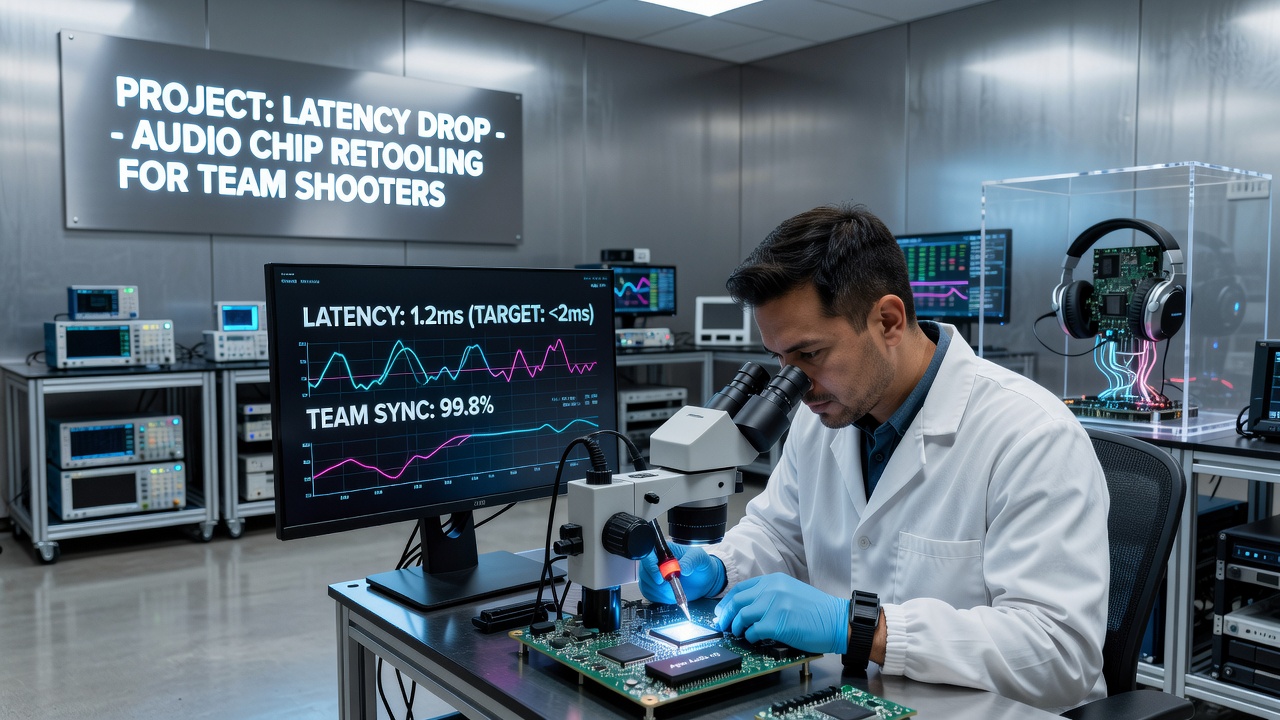
Audio processing chips sit at the core of competitive multiplayer experiences, where milliseconds separate coordinated team maneuvers from missed opportunities, and specialized facilities across multiple regions have accelerated work on reducing audio pipeline delays in titles such as Counter-Strike 2 and Valorant. Teams in these labs focus on redesigning digital signal processors to shorten buffer queues and optimize algorithm execution paths, while data from industry benchmarks shows average audio latency reductions moving from 25-40 milliseconds down toward single-digit figures in controlled test environments.
Core challenges in team-based audio delivery
Sound cues like footsteps, reloads, and directional callouts form the backbone of communication in squad-based shooters, yet traditional DSP architectures introduce delays through fixed sample buffers and sequential filtering stages. Engineers address these constraints by implementing variable-rate processing blocks that adapt to game engine frame timings, and studies from the Audio Engineering Society indicate such modifications cut end-to-end audio transit times without increasing CPU overhead on mid-range hardware. The result allows players to receive positional audio updates in tighter synchronization with server tick rates, which frequently operate at 128 Hz or higher in professional circuits.
Chip architecture modifications underway
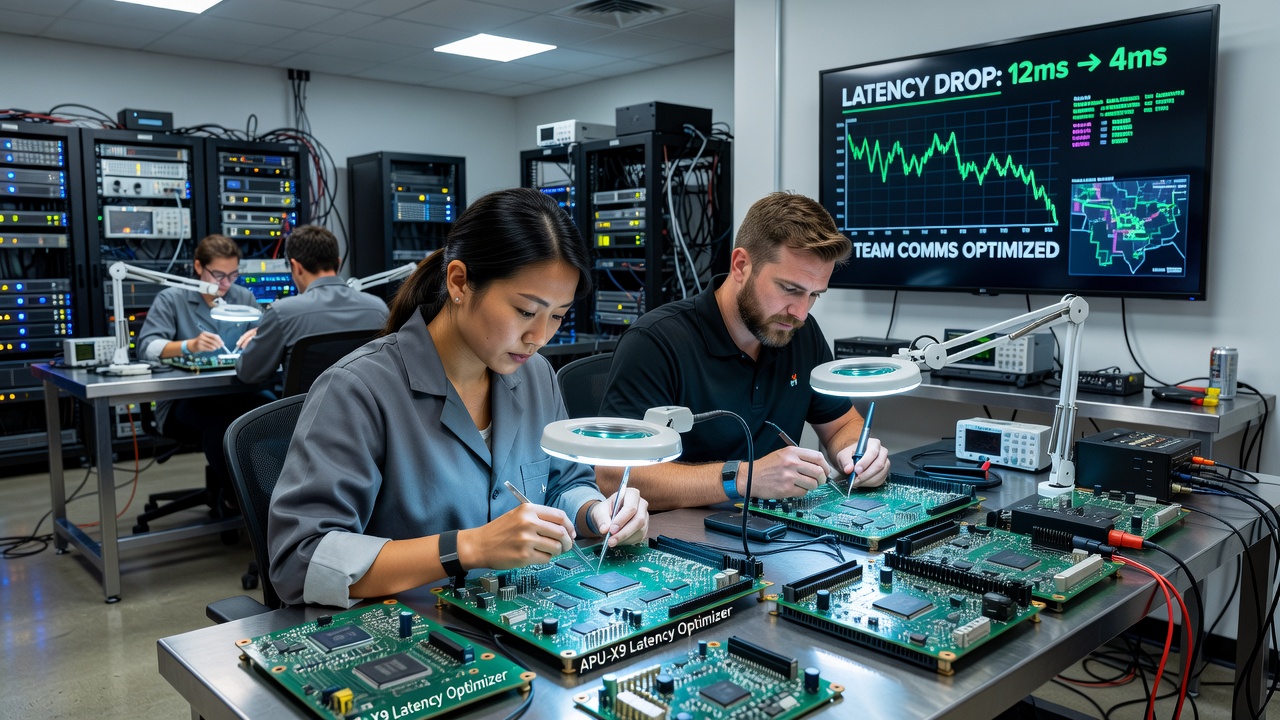
Hidden development sites operated by semiconductor partners have shifted focus toward hybrid DSP-FPGA layouts that bypass conventional interrupt-driven audio stacks, replacing them with direct memory access pathways tuned for game-specific packet structures. In July 2026 several facilities reported successful integration of sub-5-millisecond hardware-accelerated decoding loops for compressed voice channels, according to internal validation logs shared with game developers. These changes rely on reconfigured arithmetic logic units that prioritize spatial audio calculations while maintaining compatibility with existing DirectSound and WASAPI interfaces on Windows platforms.
Collaboration between chip designers and engine programmers has produced custom firmware profiles that preload common sound assets into dedicated on-chip caches, eliminating repeated fetches from system RAM. Research conducted at the Technical University of Denmark demonstrates that cache-hit rates above 92 percent correlate directly with measurable drops in perceived audio lag during 5v5 matches, and similar patterns appear in test data collected from Asian esports training centers.
Integration with existing esports ecosystems
Professional organizations have begun incorporating updated audio drivers into their standardized hardware configurations, enabling consistent performance across LAN events and online qualifiers. The shift involves recalibrating mixer priorities so that critical team voice comms receive higher scheduling precedence than background ambient tracks, and figures released by the Esports Integrity Commission reveal fewer instances of desynchronized audio during high-stakes tournaments since early 2026 rollouts. Manufacturers supply reference boards to select teams for field validation, allowing real-time monitoring of packet jitter under tournament network conditions.
Developers at major studios now embed low-latency audio hooks directly into their netcode layers, which permits chips to predict upcoming sound events based on player movement vectors. This predictive approach, documented in joint papers from the University of Waterloo and industry partners, reduces buffer underruns that previously caused brief audio dropouts during rapid directional changes.
Regional development efforts and standards alignment
Facilities in North America and East Asia coordinate on open specifications for next-generation audio transport protocols, aiming for cross-platform consistency between PC and console deployments. European regulatory bodies have started reviewing electromagnetic compatibility requirements for these denser chip layouts, ensuring they meet updated CE marking criteria without compromising processing speed. Data shared through the Consumer Technology Association shows adoption curves accelerating as peripheral manufacturers align their headsets and sound cards with the revised DSP command sets.
Training programs at collegiate esports programs have incorporated latency measurement tools calibrated to the new chip revisions, giving emerging players exposure to hardware that reflects current professional standards. Observers note that these tools display real-time audio timestamp deltas, helping coaches identify when network variability rather than chip performance becomes the limiting factor.
Conclusion
Retooling of audio processing silicon continues to narrow the gap between player actions and auditory feedback in team shooters, supported by ongoing work across academic institutions and specialized engineering groups. Continued alignment between hardware revisions and game engine updates positions the ecosystem for further refinements as server architectures evolve through 2026 and beyond.