Frame by Frame: The Meticulous Process of Replay Analysis Tools Used by Esports Coaches for Strategy Refinement
Sofia Schmid · May 16, 2026
Frame by Frame: The Meticulous Process of Replay Analysis Tools Used by Esports Coaches for Strategy Refinement
Esports coaches rely on specialized replay analysis tools to dissect matches at the individual frame level, allowing them to pinpoint tactical errors and refine team strategies with precision. These systems capture every movement, decision, and interaction during competitive play, turning raw game data into actionable insights for players preparing for upcoming tournaments. In May 2026, several professional squads integrated updated versions of these platforms ahead of major international events, where timing and positioning often determine outcomes in high-stakes environments.
The Core Mechanics Behind Frame-Level Replay Breakdown
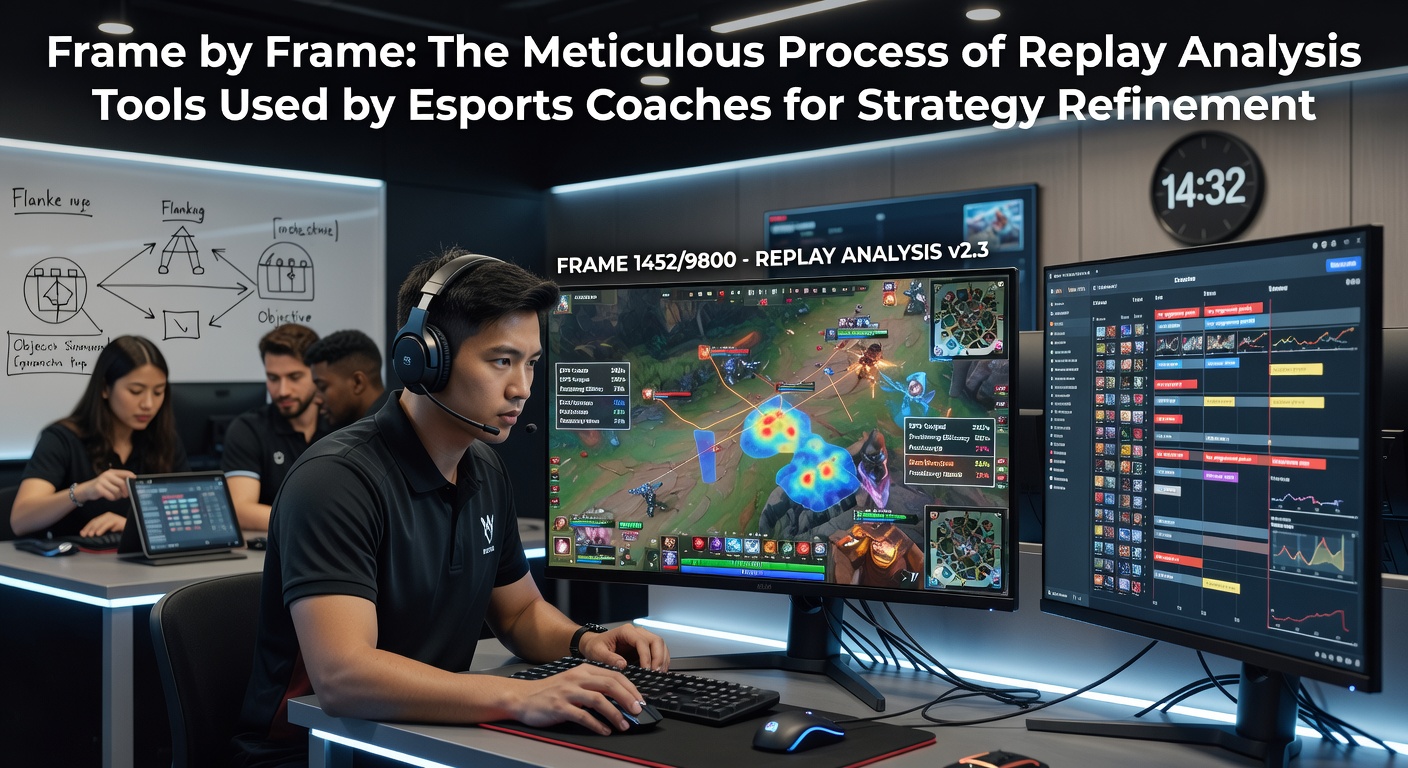
Replay tools process recorded matches by breaking footage into individual frames, typically at rates of 60 or 120 per second depending on the title and hardware setup. Coaches pause playback at critical junctures such as failed objective attempts or unexpected rotations, then zoom into specific moments to evaluate player positioning against opponent movements. Software overlays display timestamps, resource counts, and camera angles simultaneously, which enables quick cross-referencing between different perspectives without losing context from the overall match flow. Observers note that this approach reveals patterns invisible during live viewing, including subtle delays in reaction time or misaligned sightlines that accumulate across multiple rounds.
Key Tools and Platforms Driving Strategy Sessions
Popular platforms include built-in client replays from games like Counter-Strike 2 and League of Legends alongside third-party solutions that add layers of statistical tracking. These programs allow coaches to tag segments for later review, generate heatmaps of movement data, and simulate alternative decision paths based on recorded scenarios. Data from the European Esports Confederation shows increased adoption rates among mid-tier organizations in 2025, with many teams now allocating dedicated analysts to operate these systems during daily practice blocks. The process often starts with full-match overviews before narrowing focus to isolated frames where communication logs or ability activations occurred, helping identify breakdowns in coordination.
Step-by-Step Workflow Coaches Follow in Daily Training
Coaches begin sessions by loading the most recent scrimmage or official match file into the analysis interface, then apply filters to highlight events like deaths within the first ten minutes or objective contests that lasted under thirty seconds. They advance frame by frame through these sequences while noting player inputs, such as mouse movements in first-person shooters or ability timing in multiplayer online battle arenas. Team members join these reviews to discuss observations, which leads to immediate adjustments in practice drills for the next session. Research from the University of Sydney's esports performance lab indicates that squads maintaining consistent frame-by-frame routines report measurable improvements in win rates during regional qualifiers, particularly when addressing recurring positioning issues across multiple maps.
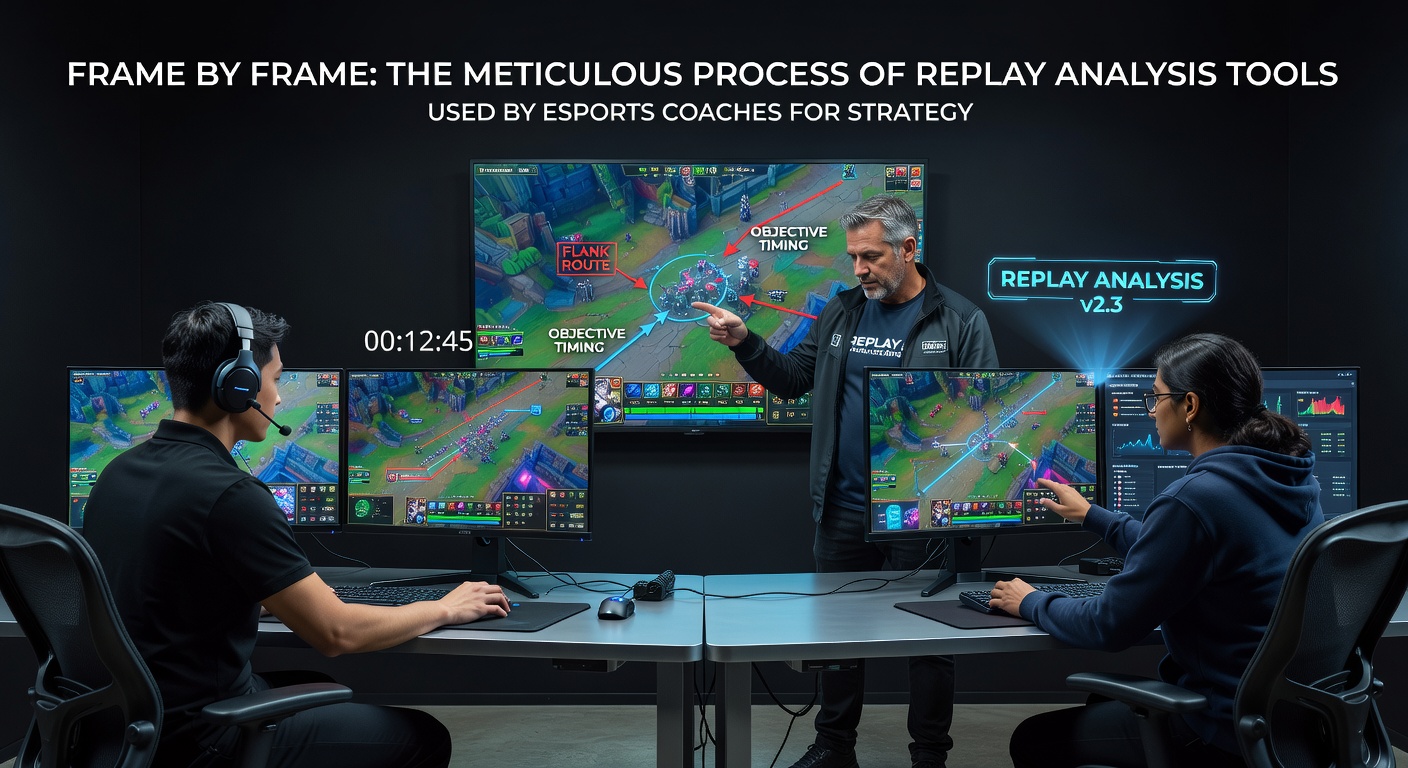
What's interesting here is how these tools integrate with communication logs from voice channels, letting coaches align spoken calls with on-screen actions to spot miscommunications that occurred mid-fight. This combined view helps refine callouts and reduces ambiguity during live matches. Analysts often export short clips from these sessions for players to review individually on mobile devices between practices, creating a continuous feedback loop that keeps strategies sharp without requiring constant in-person meetings.
Regional Differences in Tool Implementation and Focus Areas
North American organizations tend to emphasize individual mechanical breakdowns through frame analysis, whereas European squads allocate more time to macro-level decision trees visible across extended match segments. Asian teams, drawing from extensive data sets compiled by regional federations, frequently layer machine learning models onto traditional replay tools to predict opponent responses based on historical frame data. These variations reflect differing competitive priorities but share the common thread of meticulous frame review to extract every possible advantage before events like the May 2026 global finals. Teams that blend multiple regional approaches often develop hybrid strategies that adapt quickly to diverse opponent styles encountered in cross-region play.
Impact on Performance Metrics and Long-Term Development
Studies tracking professional rosters over six-month periods reveal correlations between intensive replay analysis and reductions in unforced errors during tournament play. Coaches track metrics such as average reaction frames to threats and success rates on scripted executes, then adjust training regimens accordingly to target specific weaknesses. This data-driven method supports player development by providing concrete visual evidence rather than relying solely on verbal feedback, which can lead to clearer understanding of adjustments needed for upcoming opponents. As platforms evolve with enhanced automation features, the time required for thorough reviews continues to decrease while the depth of insights available per session expands.
Conclusion
Frame-by-frame replay analysis has become a foundational element of modern esports coaching, transforming how teams prepare and adapt strategies across competitive seasons. Through systematic review of recorded matches, coaches and players gain granular visibility into every decision point, which supports ongoing refinement of both individual skills and collective tactics. Continued advancements in these tools promise even more integrated workflows as organizations prepare for future events, ensuring that strategy development remains precise and evidence-based at every level of play.