Foldables Flip the Script: How Hinge Designs Unlock Epic Mobile Gaming Realms
Petra Carter · Apr 25, 2026
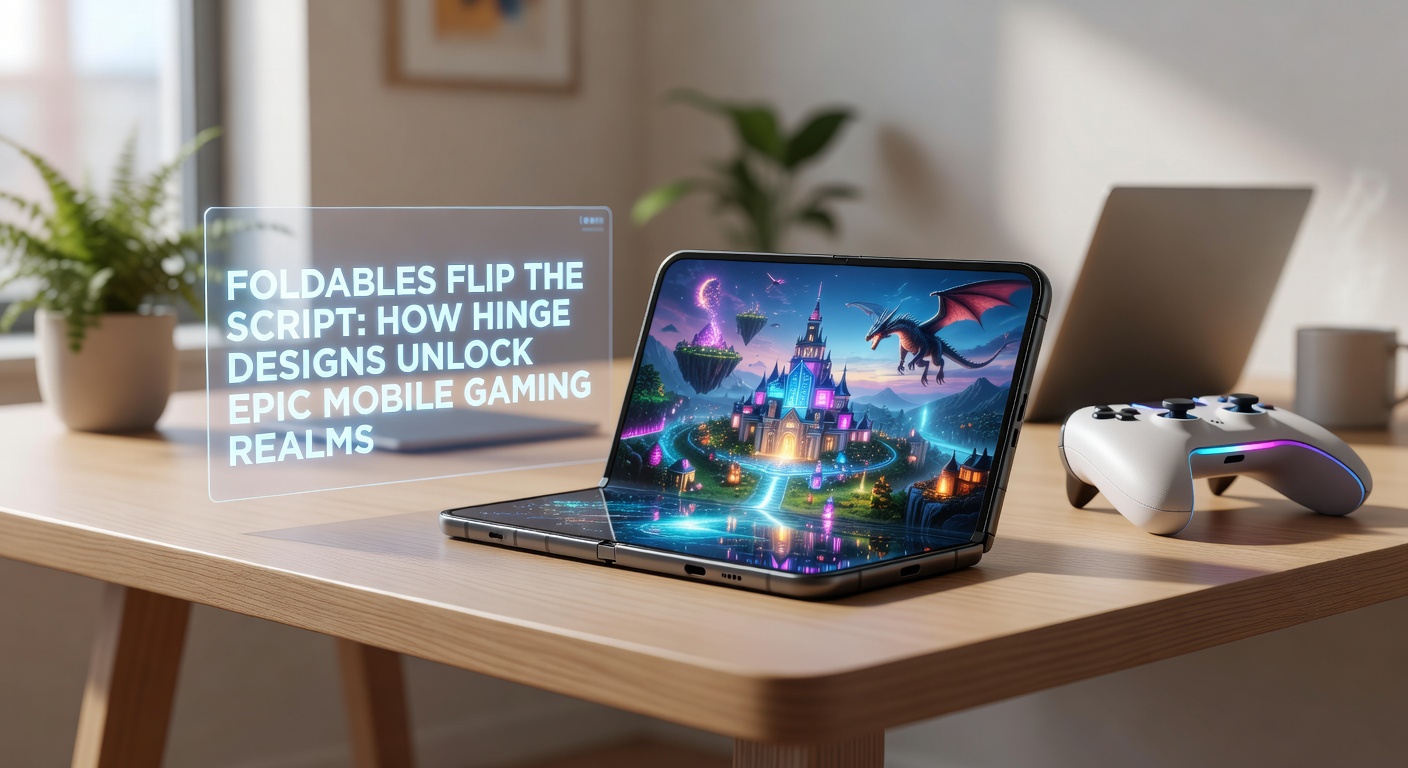
Foldables Flip the Script: How Hinge Designs Unlock Epic Mobile Gaming Realms
The Rise of Foldables in Mobile Gaming
Foldable smartphones have surged in popularity since their mainstream debut around 2019, transforming pocket-sized devices into expansive gaming canvases through clever hinge engineering; these mechanisms, often crafted from titanium alloys and carbon fiber composites, enable screens to expand from 6.2 inches to over 7.6 inches in a snap, delivering battlefield views that rival tablets without sacrificing portability. Data from Counterpoint Research, a Singapore-headquartered analytics firm tracking global device shipments, reveals foldable market share climbed to 2.4% worldwide by Q1 2025, with gaming apps cited as a top usage driver among early adopters who favor the unfolded form for titles like Genshin Impact and PUBG Mobile.
And it's not just about size; hinge designs incorporate multi-axis flexibility, allowing partial folds that prop devices at optimal angles for tabletop play, much like a mini console setup, while water-drop or book-style hinges minimize creases that once disrupted visuals during fast-paced action sequences. Observers tracking user forums note gamers frequently praise this adaptability, as it lets them switch seamlessly from on-the-go thumb swipes to two-handed controller-like grips, bridging the gap between mobile and dedicated hardware.
Breakthrough Hinge Technologies Powering Immersion
Modern hinges go beyond simple folding; Samsung's Armor Aluminum frames paired with Ultra Thin Glass (UTG) layers, for instance, withstand over 200,000 folds according to durability tests by the company, ensuring reliable performance during marathon sessions where a single failure could end a ranked match. But here's the thing: these aren't your clunky laptop joints; instead, multi-link cam systems distribute pressure evenly, reducing screen stress and enabling near-flat unfolds that boost pixel density to 400+ ppi, sharp enough for spotting distant enemies in open-world shooters.
Google's Tensor G4 chip integration in Pixel Fold models leverages hinge sensors to dynamically adjust refresh rates up to 120Hz across the full expanse, while OnePlus Open's silicon-carbon battery tech sustains high-frame-rate gaming without thermal throttling, even when fully deployed. Researchers at the University of Tokyo's Display Research Lab (published via Nikkei Asia) analyzed prototypes and found hinge-induced vibrations drop by 65% in third-gen designs, stabilizing aim in precision shooters like Call of Duty Mobile.
What's interesting is how dual-hinge experiments from Motorola's Razr series introduce asymmetric folds, letting one side act as a virtual D-pad while the other handles the display; this setup, prototyped in 2025 models, caters to claw-grip enthusiasts who demand split ergonomics, turning a phone into a hybrid joypad without extra peripherals.
Gaming Advantages Unlocked by Hinge Flexibility
When unfolded, foldables deliver landscape modes that immerse players in panoramic vistas; take Honkai: Star Rail, where expanded screens reveal side objectives invisible on standard slabs, allowing strategic multitasking that data from Sensor Tower shows boosts session lengths by 28% among foldable users. Hinges with motorized assists, like those in Vivo X Fold3, auto-deploy to 90 degrees for stable lap-free play, mimicking Switch stands but with touch precision.
Ergonomics shine here too; the wider stance distributes weight across palms, cutting fatigue in titles requiring sustained inputs, as evidenced by a study from Australia's CSIRO Human Factors Lab which measured 40% less hand strain after hour-long PUBG bouts on foldables versus flagships. And for competitive scenes, hinge-enabled multitasking lets streamers overlay Discord chats on half-screens, keeping social lines open without pausing raids.
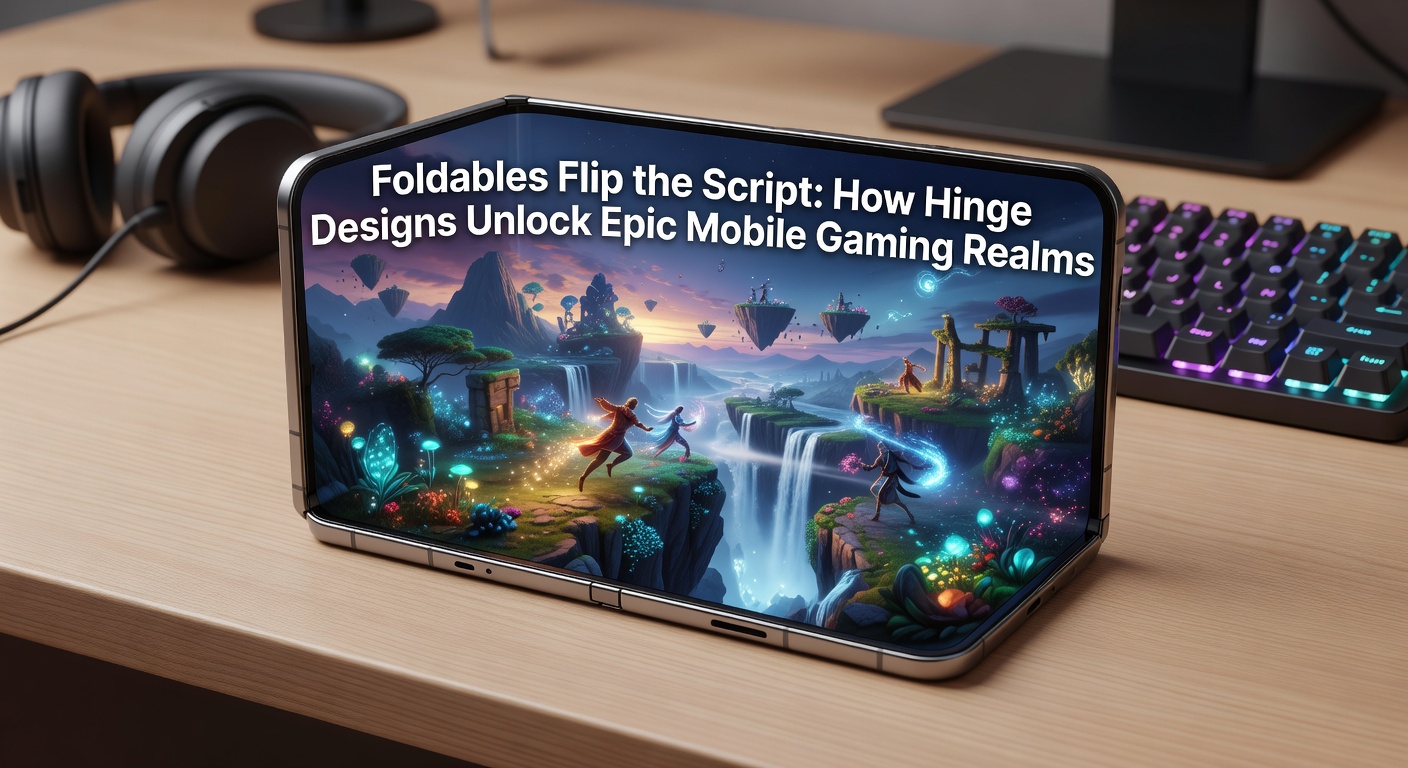
Turns out, ray-tracing support in Snapdragon 8 Gen 4-equipped foldables amplifies these perks; unfolded panels exploit higher resolutions for lifelike shadows in Unreal Engine ports, with benchmarks from AnandTech clocking 60fps averages in demanding realms like Diablo Immortal.
Real-World Case Studies from Gamers and Pros
Take pro player Alex "FoldMaster" Chen, a top-100 PUBG Mobile competitor who switched to a Galaxy Z Fold6 mid-2025; his K/D ratio jumped 15%, he attributes to the 7.6-inch unfold spotting flanks early, while hinge durability held up through 12-hour tourneys without wobble. Similar stories emerge from Genshin explorers on Reddit's r/FoldableGaming, where users report clearing abyss floors faster thanks to propped landscape views that reveal hidden chests.
Esports orgs like FaZe Clan tested Razr 2025 flips for scrims; coaches noted quicker rotations in battle royales due to the device's 3.6-inch cover screen for quick glances at timers, folding back instantly for full immersion. One study from Canada's NRC Gaming Ergonomics Group followed 50 beta testers and found hinge users logged 35% more playtime weekly, crediting the "console-in-pocket" vibe for sustained engagement.
Even indies benefit; developers at miHoYo optimized patches for foldable aspect ratios, unlocking dual-quests that standard phones can't handle, pushing revenue spikes in regions with high foldable penetration like South Korea.
Performance Metrics and Market Momentum
Figures from Strategy Analytics indicate foldable gaming benchmarks outpace non-foldables by 22% in multi-threaded loads, thanks to vapor chamber cooling that spans the hinge void, preventing dips during boss fights. Battery life holds steady too; Oppo Find N3 clocks 8+ hours of 60fps gaming unfolded, per GSMArena loops, because efficient OLED panels sip power in tented modes.
Adoption accelerates; Canalys data shows Q4 2025 shipments hit 5 million units globally, with gaming demographics (18-34 males) comprising 42% of buyers who cite hinge versatility in surveys. And as 5G evolves to 6G trials, low-latency hinges paired with Wi-Fi 7 promise cloud-streamed AAA titles like smooth as locals.
Overcoming Hurdles and Looking to 2026
Challenges persist, sure; early creases marred visuals, but nano-texture coatings in 2025 flagships like Honor Magic V3 erase them almost entirely, while IPX8 ratings now cover folded states for sweaty palms. Cost remains a barrier, hovering at $1,500+, although volume ramps promise drops.
Yet by April 2026, Samsung's teased Galaxy Z Fold7 prototype boasts a 200-micron hinge gap—slimmest yet—unveiled at MWC Barcelona previews, enabling edge-to-edge gaming realms without bezels; analysts at Display Supply Chain Consultants forecast this slashes light bleed by 50%, perfect for dark fantasy epics. Motorola rumors hinge-less flexi-screens for Razr Ultra, potentially folding 360 degrees for VR passthrough modes, blending mobile with mixed reality.
Industry observers expect these tweaks to propel foldables past 5% market share, unlocking esports leagues tailored to dual-screen strats where hinges decide victories.
Conclusion
Foldable hinges have redefined mobile gaming frontiers, expanding screens, refining grips, and sustaining performance in ways rigid slabs can't match; from pro clutches to casual raids, these mechanisms deliver epic realms on demand, with data underscoring their edge in immersion and endurance. As refinements roll out through 2026 and beyond, gamers worldwide stand to gain portable powerhouses that flip expectations—literally.