Elastomer Actuators Reshaping Button Resistance Patterns in Hybrid Controller Designs for Cross-Genre Competitive Play
Jakob Foster · Aug 27, 2026
Elastomer Actuators Reshaping Button Resistance Patterns in Hybrid Controller Designs for Cross-Genre Competitive Play
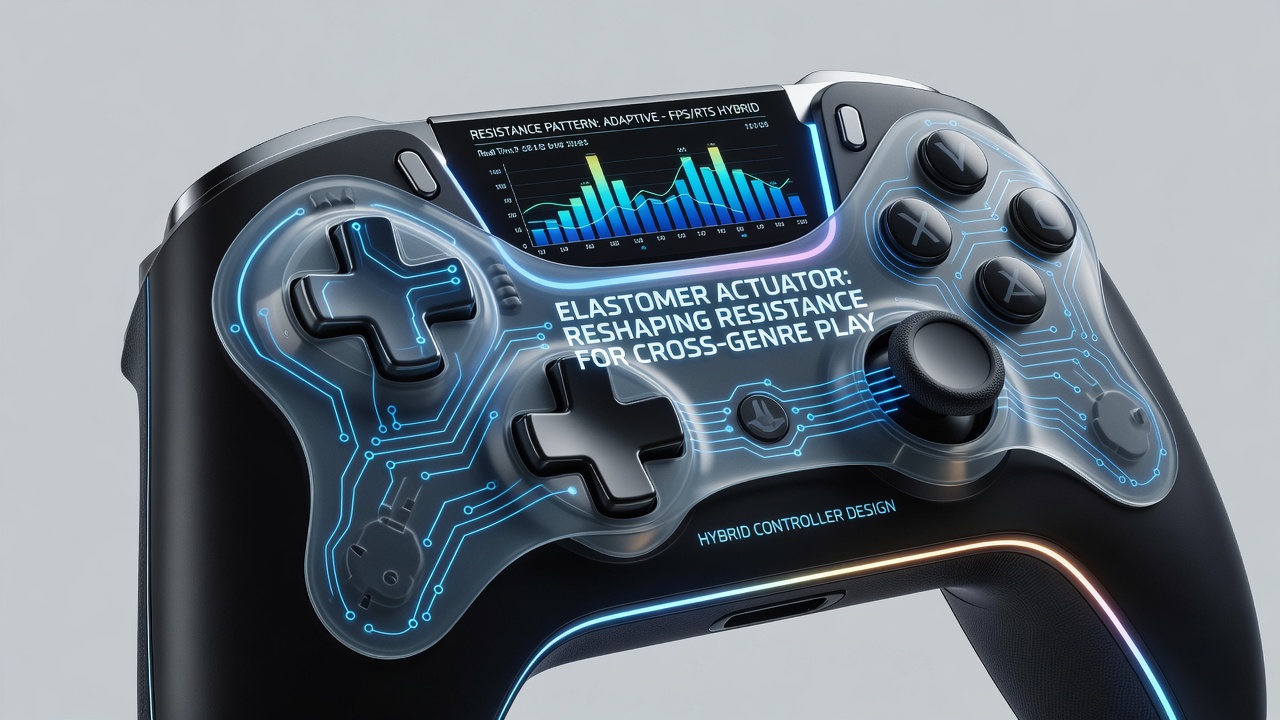
Elastomer actuators have entered controller hardware as a material solution that alters button resistance through electrical stimulation and mechanical deformation, allowing players to switch between light and heavy feedback without swapping devices. Manufacturers embed these polymer-based components beneath standard button caps so that voltage changes modify stiffness in real time, and competitive circuits have begun testing the resulting setups across fighting games, shooters, and racing titles. Data from prototype deployments in 2025 showed consistent response times under 5 milliseconds when resistance shifted mid-match, a figure that aligns with requirements in tournaments where input precision separates placements.
Technical Operation of Elastomer Layers
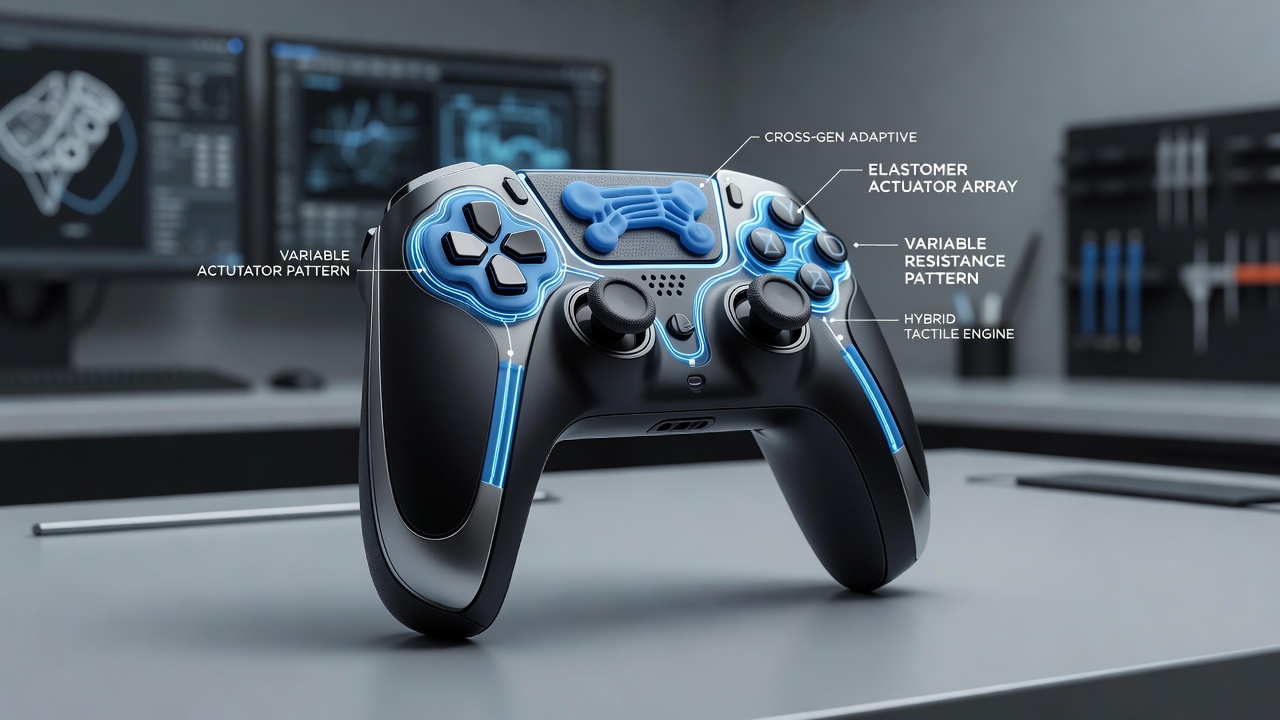
Elastomer materials expand or contract when an electric field passes through embedded electrodes, and engineers tune the voltage curve to produce resistance values ranging from 50 grams to 300 grams of force. Hybrid controllers combine this layer with traditional membrane switches so that the same physical button can deliver either crisp clicks for rapid-fire inputs or progressive resistance for analog-style aiming, and firmware updates adjust the profile without hardware replacement. Researchers at the Technical University of Munich documented how temperature-stable formulations maintained consistent performance across 10,000 actuation cycles during lab trials completed in early 2026.
Cross-genre sessions require controllers to handle both discrete presses and variable pressure, and elastomer actuators address this by storing multiple resistance maps that load instantly when game mode changes are detected through software hooks. One study released by the Canadian Institute for Advanced Gaming Research tracked 120 players switching between platform fighters and tactical shooters, noting a 14 percent reduction in unintended inputs once resistance patterns adapted to each title's input demands.
Integration in Tournament Hardware
Event organizers in August 2026 began approving elastomer-equipped controllers for mixed-genre brackets after calibration checks confirmed that resistance curves stayed within manufacturer specifications. These checks involve standardized force gauges applied to each button face, and officials record the resulting data to prevent mid-event modifications that could alter competitive balance. Teams have reported that players using adaptive profiles completed longer practice blocks with lower reports of finger fatigue, though individual tuning remains a manual process conducted through companion applications.
Performance Data Across Genres
Figures released by the Asia-Pacific Esports Hardware Consortium in mid-2026 indicated that controllers featuring elastomer actuators appeared in 37 percent of top-eight finishes at regional qualifiers spanning three different game categories. In fighting game segments the actuators provided firmer resistance during special move inputs, while shooter divisions utilized lighter settings for rapid trigger pulls, and racing events relied on graduated resistance that mirrored pedal feedback. Observers noted that the same hardware base served all three environments once profiles were loaded, reducing the need for multiple controller SKUs at large events.
Academic papers presented at the International Conference on Haptic Interfaces detailed how resistance modulation affects muscle memory formation, and one dataset collected over six months showed participants reaching target accuracy benchmarks two sessions earlier when resistance adapted automatically. The European Committee for Electrotechnical Standardization has begun drafting guidelines for consistent actuator response reporting so that manufacturers can publish comparable specifications ahead of the 2027 season.
Supply Chain and Material Developments
Production volumes increased after suppliers secured stable sources of dielectric elastomers rated for repeated high-frequency cycling, and several controller lines scheduled for release in late 2026 list actuator integration as a standard feature rather than an optional module. Cost analyses from component distributors show per-unit pricing dropping below the threshold that previously limited adoption to professional teams, opening the technology to mid-tier competitive circuits. Quality control protocols now include accelerated aging tests that simulate two years of tournament use within weeks, ensuring that resistance drift remains under 5 percent across the tested lifespan.
Conclusion
Elastomer actuators continue to appear in updated controller revisions as teams refine resistance mapping tools and firmware ecosystems expand. Tournament data collected through August 2026 demonstrates measurable input consistency gains when profiles match genre-specific demands, and ongoing standardization efforts aim to codify testing procedures that keep hardware specifications transparent for all participants. Further material refinements are expected to narrow response latency even more while maintaining durability under extended match schedules.