Dielectric Immersion Techniques Preserving Component Integrity Amid Extended Qualification Events in Global Digital Competition Circuits
Tina Schröder · Aug 22, 2026
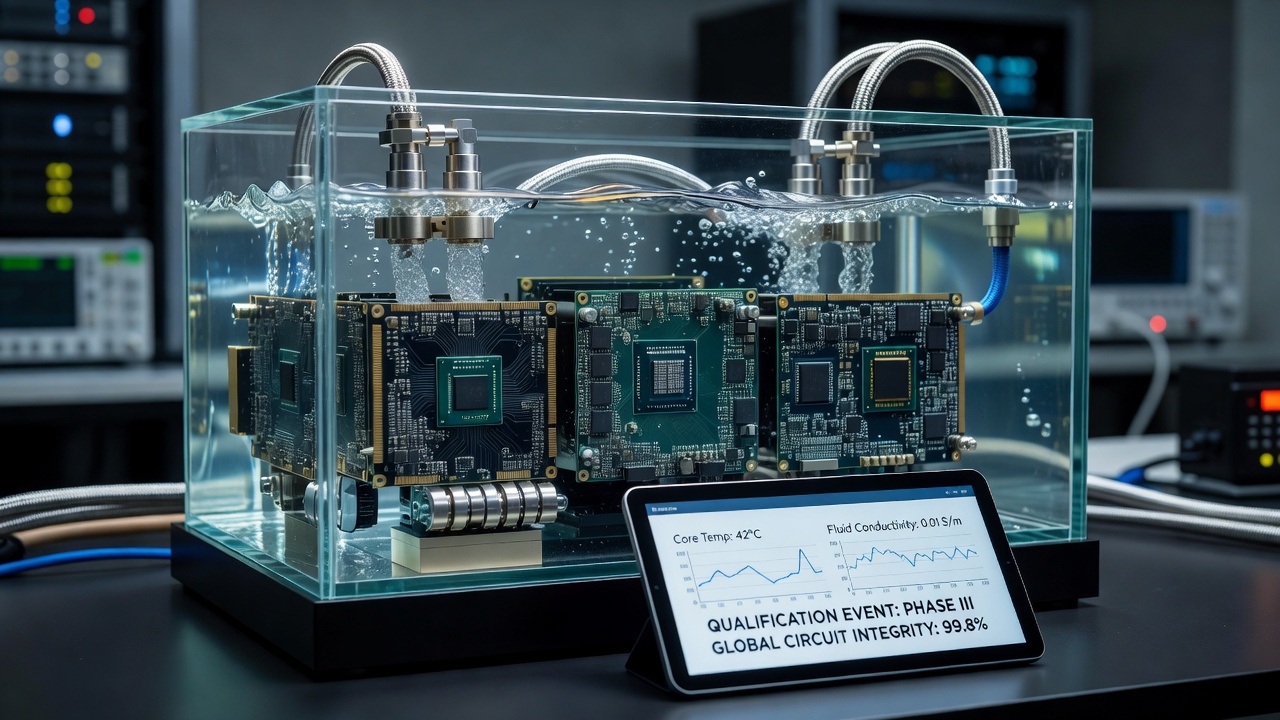
Dielectric Immersion Techniques Preserving Component Integrity Amid Extended Qualification Events in Global Digital Competition Circuits
Competitors in global digital circuits face qualification events that stretch across multiple days with systems running continuous high-load simulations, and dielectric immersion cooling has emerged as one method to maintain hardware stability under those conditions. The technique submerges components in non-conductive fluids that absorb and transfer heat without risking electrical shorts, which allows processors and graphics cards to operate at sustained performance levels while reducing thermal cycling stress. Research from institutions like the University of Melbourne indicates that traditional air cooling often reaches limits during sessions exceeding eight hours, whereas immersion setups maintain junction temperatures within narrower bands. Data from competitive hardware labs shows reduced failure rates in memory modules and power delivery circuits when fluids with specific dielectric constants replace forced-air solutions. Observers note that the approach gained traction after several major qualification tournaments in 2025 experienced unexpected downtime from overheating during tiebreaker rounds.Core Principles of Dielectric Fluids in Hardware Environments
Dielectric fluids function through direct contact heat transfer, where the liquid surrounds every surface of a motherboard, GPU, and storage array. Because these fluids carry no electrical charge, they permit full submersion without insulation barriers. Engineers select formulations based on thermal conductivity, viscosity, and boiling points that align with component operating ranges, and manufacturers adjust fluid circulation rates to match varying power densities across different tournament rigs.
Studies conducted at the Technical University of Denmark demonstrate that certain fluorinated fluids sustain component integrity across temperature swings between 25 and 85 degrees Celsius for periods longer than 72 hours. Those findings align with observations from Asian esports facilities where qualification brackets require hardware to remain powered throughout multi-stage elimination formats. The absence of moving air also eliminates dust accumulation, which previously contributed to gradual performance degradation in conventional chassis designs.
Application During Prolonged Qualification Schedules
Global circuits schedule qualification events that can span 48 to 96 consecutive hours when multiple regions compete for limited slots. In such environments, immersion tanks allow teams to maintain consistent clock speeds without throttling, because the fluid removes heat at rates that air coolers cannot match. Technicians monitor fluid temperature gradients and pump flow to prevent localized hotspots near voltage regulators, and they cycle replacement fluid batches to keep dielectric properties stable over repeated use.
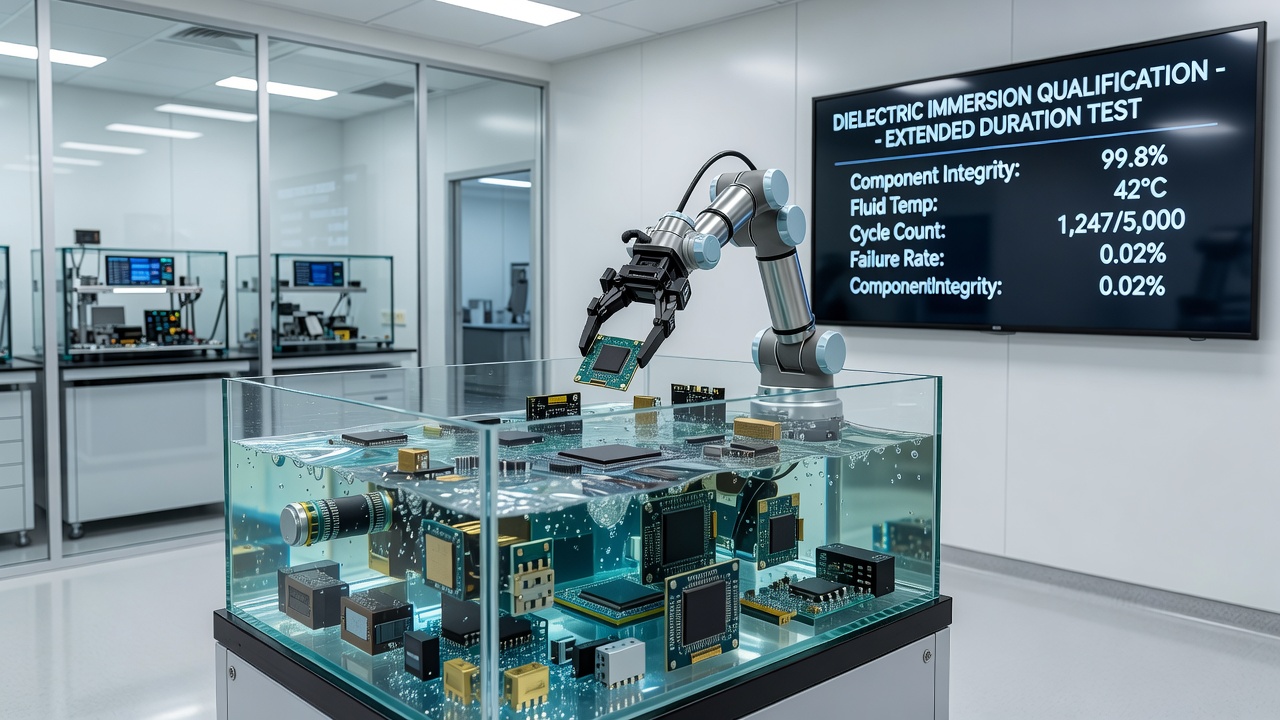
One documented case involved a European training center that retrofitted three immersion stations ahead of August 2026 regional qualifiers. The facility reported uninterrupted operation across 14 consecutive qualification matches, each lasting between six and nine hours. Hardware logs indicated that core temperatures stayed within 12 degrees of baseline even as ambient room conditions fluctuated due to spectator attendance. Similar setups appear in North American venues preparing for cross-platform events scheduled later that year.
Component Longevity and Maintenance Considerations
Extended runtime creates cumulative stress on solder joints and silicon die attachments. Immersion cooling reduces thermal expansion differentials because temperature changes occur more gradually across the entire assembly. Maintenance protocols include periodic fluid filtration to remove microscopic particulates and quarterly electrical integrity checks on submerged connectors. Teams document fluid degradation through refractive index measurements, replacing batches before conductivity thresholds rise.
Industry reports from the Japan Electronics and Information Technology Industries Association highlight that immersion-cooled systems show measurable reductions in electromigration within high-current pathways compared with air-cooled equivalents after equivalent operating hours. Those metrics matter during qualification cycles where hardware cannot undergo mid-event replacement without disqualification penalties. Facilities therefore schedule pre-event fluid refreshes and post-event inspections to ensure consistent performance across successive tournaments.
Global Adoption Patterns and Infrastructure Requirements
Adoption varies by region because infrastructure costs and regulatory standards differ. Australian training hubs have integrated modular immersion units that fit within existing venue footprints, while Canadian facilities emphasize fluid recycling systems to meet environmental guidelines. European venues often combine immersion tanks with heat recovery loops that redirect waste thermal energy to building climate control, reducing overall energy draw during long qualification blocks.
Training staff report that setup times for immersion systems have decreased as standardized tank designs enter the market. Quick-connect manifolds allow rapid hardware swaps between qualification rounds, and modular pump assemblies simplify maintenance during tight event schedules. Data collected across multiple continents suggests that teams using these methods complete qualification stages with fewer hardware-related interruptions than those relying solely on advanced air cooling.
Conclusion
Dielectric immersion techniques provide measurable stability for components subjected to extended qualification events across global digital competition circuits. Facilities continue to refine fluid selection, circulation controls, and maintenance intervals to match evolving hardware demands. As qualification schedules grow more demanding ahead of August 2026 events, the approach offers one documented pathway for preserving operational integrity without altering competitive rules or equipment specifications.