Community Modders Extend Lifespans of Classic Games via Creative Software Modifications and Hardware Adaptations
Sofia Schmid · May 21, 2026
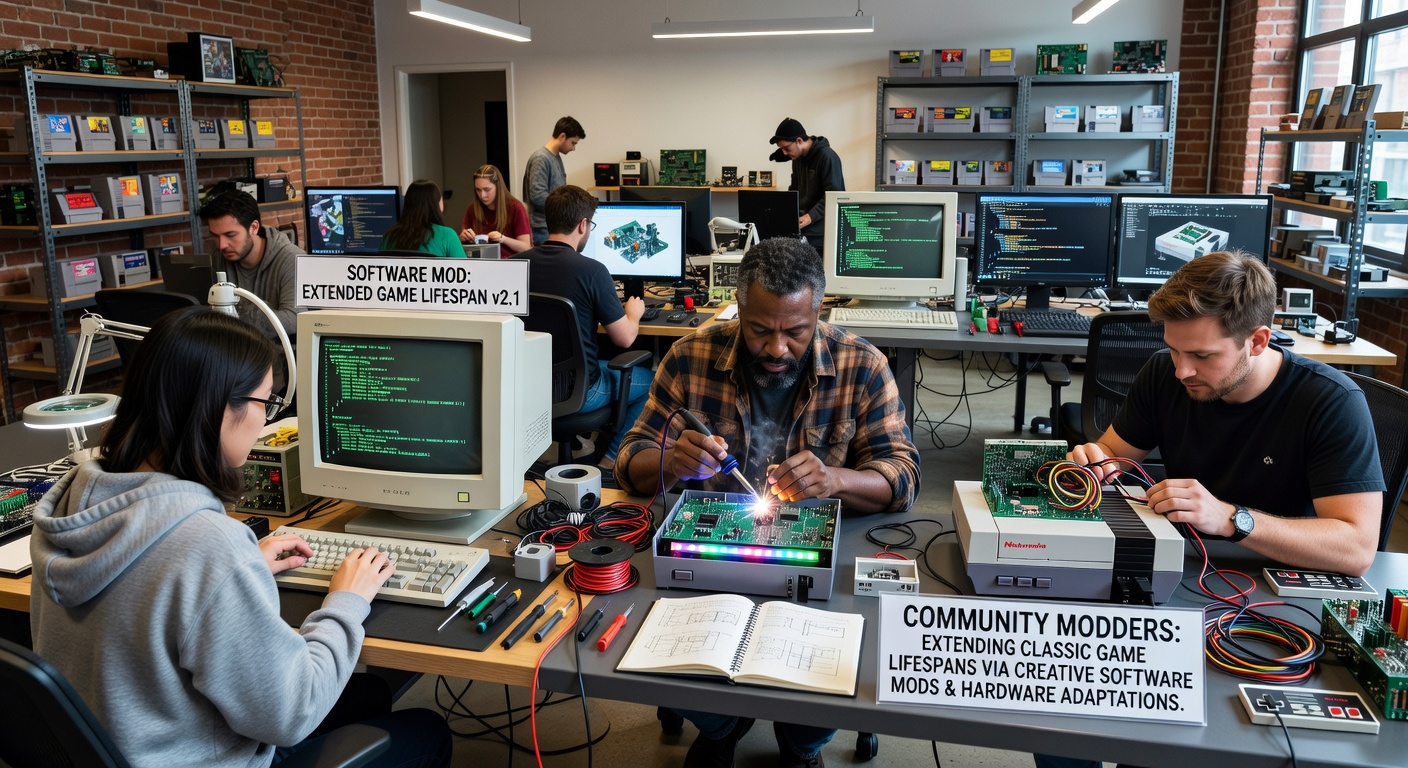
Community Modders Extend Lifespans of Classic Games via Creative Software Modifications and Hardware Adaptations
Community efforts have kept classic video games accessible and playable decades after their initial releases, with enthusiasts developing targeted software adjustments that resolve compatibility problems on newer hardware while introducing optional enhancements such as widescreen support and improved frame rates. These modifications often build on publicly released source code or reverse-engineered elements, allowing titles from the 1980s and 1990s to integrate with contemporary operating systems without requiring original proprietary equipment.
Software Modifications Driving Preservation
Groups focused on open-source recreations release updated builds that address bugs left unresolved by original developers, and these updates frequently incorporate multiplayer functionality across networks that did not exist at the time of the games' launches. Data from preservation archives indicates thousands of active projects track changes through version control systems, while contributors document every alteration for transparency and legal compliance in regions where fair use provisions apply to abandoned software. Researchers at institutions in Australia have noted steady growth in such initiatives since the early 2010s, with participation rates rising in tandem with increased availability of development tools and documentation shared online.
One project involving a 1993 first-person shooter expanded its codebase to support higher resolutions and controller inputs, resulting in continued tournament play that draws participants from multiple continents each year. Modders also produce translation patches that open older Japanese and European releases to broader audiences, and these linguistic adaptations rely on community-submitted scripts verified against original text strings for accuracy.
Hardware Adaptations Complementing Digital Fixes
Beyond code-level work, participants construct custom adapters that connect legacy cartridges and discs to modern displays and storage devices, thereby bypassing wear on aging media readers. Engineers in Canada have documented FPGA-based recreations that replicate original console chipsets at the hardware level, and these boards allow precise timing behavior that software emulation sometimes approximates rather than duplicates exactly. Such devices often include ports for updated peripherals while preserving the electrical characteristics of vintage inputs.
Communities exchange schematics through dedicated forums, enabling hobbyists to assemble reproduction units that extend usability of cartridges prone to battery failure or physical degradation. Figures from industry reports show rising sales of these adapter kits in Europe and North America, reflecting demand from collectors who maintain functional libraries rather than treating games solely as display pieces.
Community Networks and Knowledge Sharing
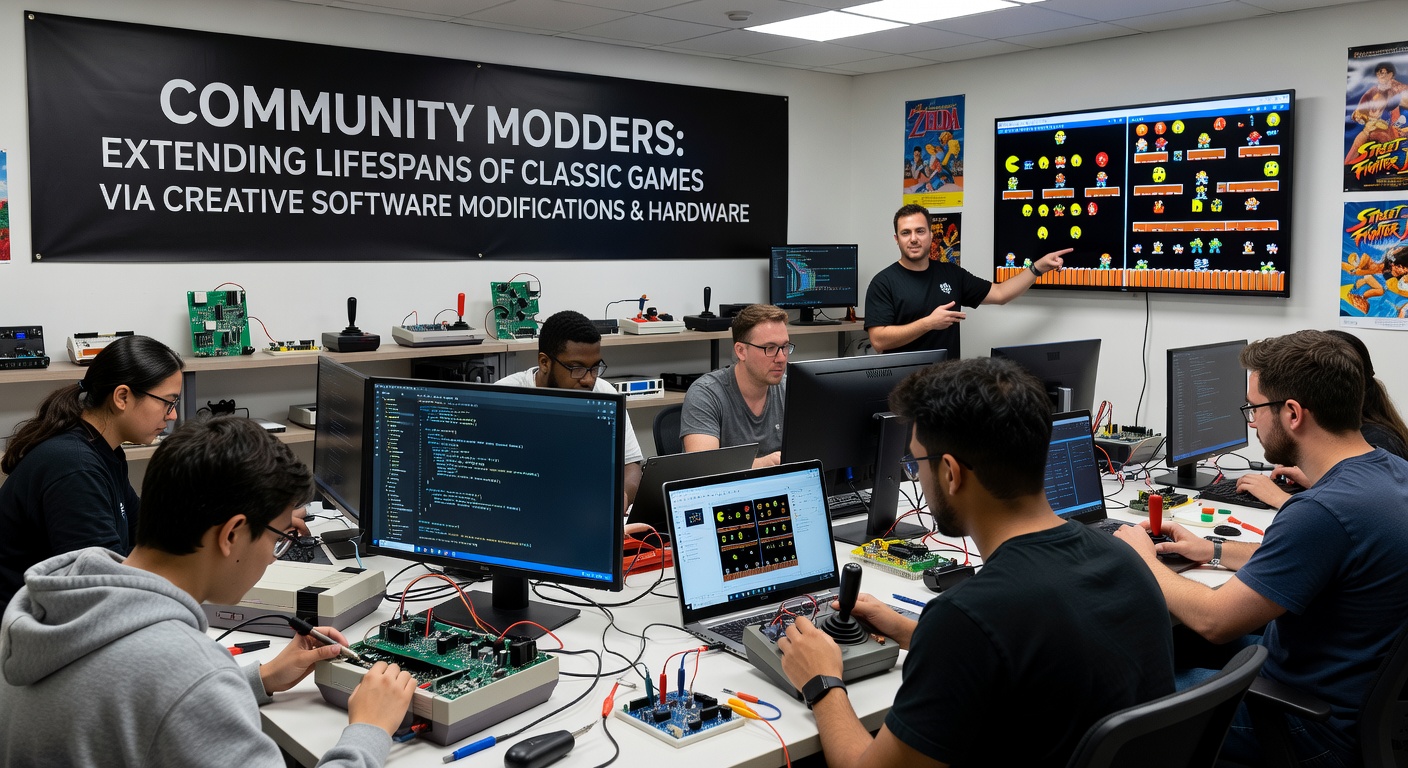
Online repositories centralize patches, tools, and guides, while regular events in May 2026 showcased live demonstrations of newly completed ports alongside discussions on sustainable archiving practices. Participants coordinate through structured channels that separate legal reverse-engineering discussions from distribution of copyrighted assets, maintaining compliance with varying international regulations. Observers note that these networks reduce duplication of effort by cataloging existing modifications and identifying gaps where further work remains necessary.
Academic studies from research groups in teh United States highlight measurable outcomes, including extended accessibility for educational programs that use historical game design as case material in computer science curricula. Collaboration between hobbyists and professional archivists has produced hybrid approaches that combine software layers with physical conservation techniques, such as climate-controlled storage paired with digital backups.
Challenges and Ongoing Developments
Legal frameworks around intellectual property continue to shape boundaries for modification projects, prompting communities to focus on titles whose rights holders have signaled no further commercial interest. Yet progress persists through careful navigation of these constraints, with new tools emerging that automate portions of the adaptation process without compromising core mechanics. Data compiled by preservation organizations reveals hundreds of games receiving at least partial support each year, sustaining player bases that span generations.
Integration with current streaming platforms occurs via capture hardware calibrated specifically for legacy output signals, and this setup permits audiences to view sessions of titles otherwise unavailable through official channels. Continued refinement of both software utilities and hardware interfaces suggests further expansion of viable options for maintaining these cultural artifacts in playable form.
Conclusion
Collective contributions from modding communities demonstrate systematic approaches to prolonging the relevance of classic games through layered technical interventions. These activities rely on documented methods, shared resources, and adherence to regional guidelines that balance innovation with legal considerations. As hardware evolves and new preservation techniques appear, the same patterns of collaborative adaptation are expected to support additional titles across diverse platforms and formats.