Biometric Wearables Track Physiological Responses to Refine Training in Professional Digital Athletics
Tina Schröder · May 26, 2026
Biometric Wearables Track Physiological Responses to Refine Training in Professional Digital Athletics
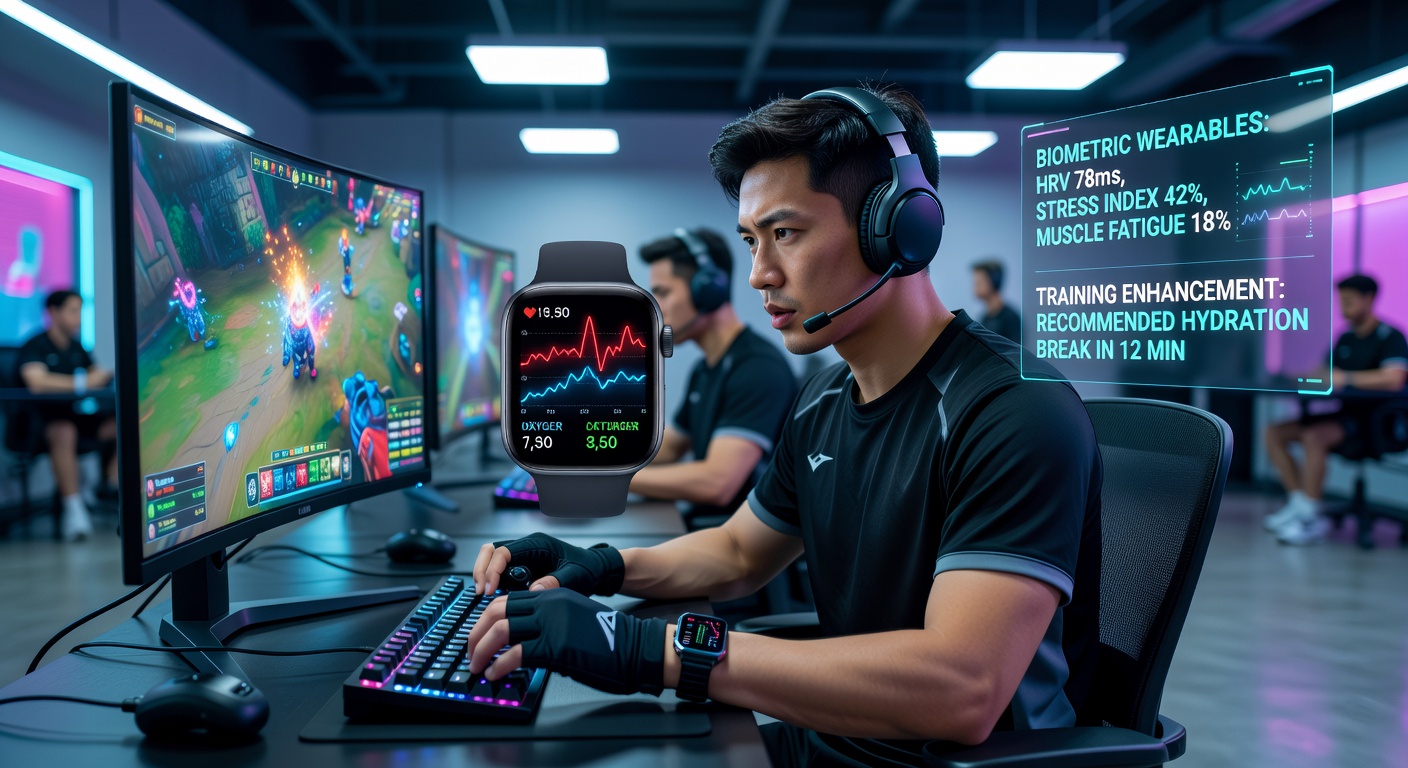
Biometric wearables have entered professional digital athletics as devices that monitor heart rate variability, skin conductance, muscle tension, and other signals during practice and competition, and teams integrate these readings to adjust session intensity along with recovery protocols. Researchers have documented how continuous data streams from wristbands, chest straps, and headsets reveal patterns in stress responses that traditional performance metrics often overlook, while athletes and coaches review the information to fine-tune regimens before major events.
Core Metrics Captured by Current Devices
Heart rate variability serves as a primary indicator of autonomic nervous system balance, and devices from multiple manufacturers log beat-to-beat intervals that drop during high-pressure moments yet recover faster in athletes who maintain consistent sleep schedules. Electrodermal activity sensors detect minute changes in skin moisture that correlate with cognitive load, and studies show elevated readings often precede decision-making errors in fast-paced titles. Electromyography patches placed on forearms track subtle muscle fatigue that builds across extended scrimmage blocks, whereas accelerometers embedded in the same units quantify micro-movements that indicate loss of fine motor control near the end of long sessions.
Integration Into Daily Training Cycles
Coaches upload overnight recovery scores alongside daytime training loads into centralized dashboards, then set thresholds that automatically scale the next day's drill volume when variability falls below established baselines. One European development squad adjusted its evening scrimmage length after wrist-worn units flagged sustained elevations in nocturnal heart rate, and performance logs from the following month recorded fewer late-game execution lapses. Nutritionists cross-reference sweat electrolyte data collected through smart patches with hydration logs, creating individualized fluid intake plans that maintain stable sodium levels across multi-hour blocks.
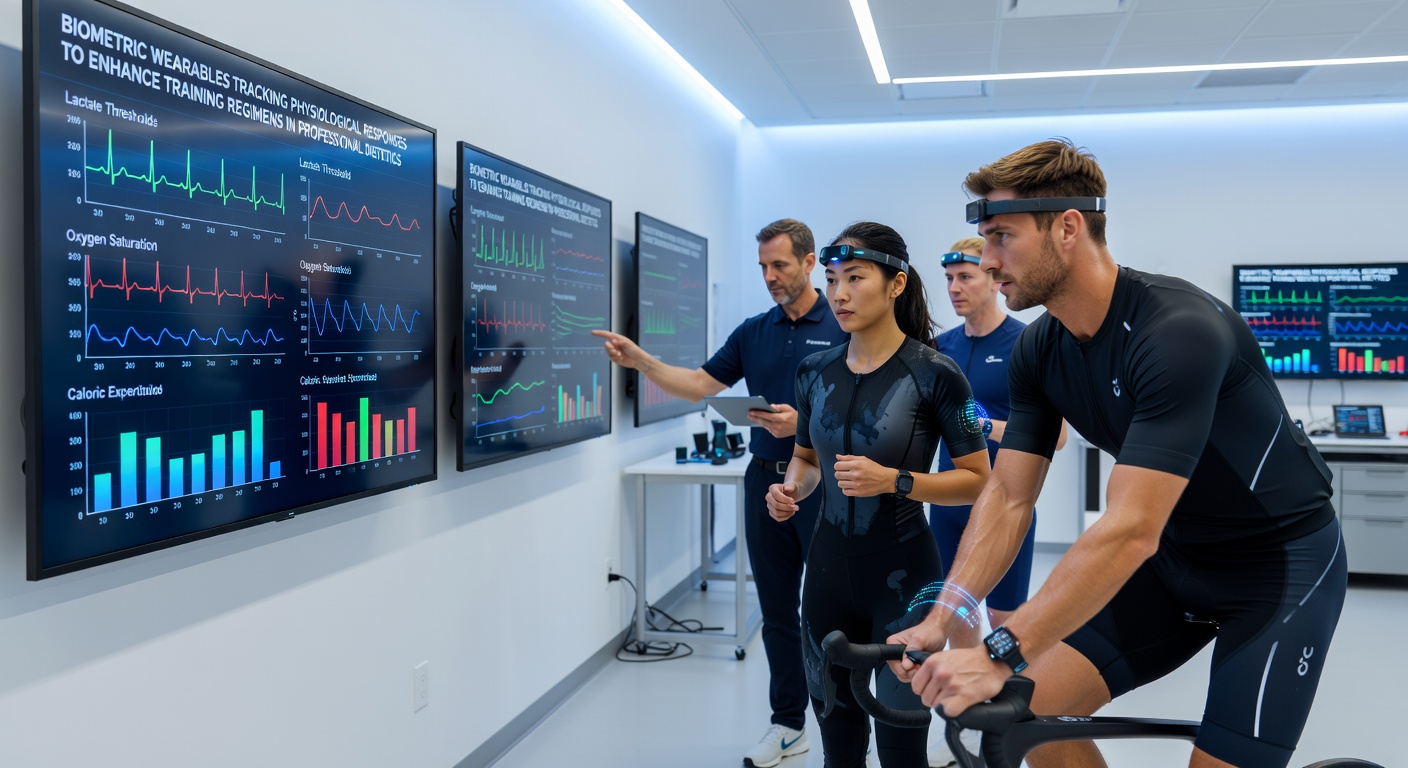
Neurofeedback headbands that measure frontal lobe alpha wave activity allow players to practice focused breathing techniques between matches, and teams schedule these short sessions immediately after intense ranked play to accelerate return to baseline arousal states. Data from a 2025 cohort tracked by an Australian sports science institute revealed that participants who incorporated twice-daily neurofeedback reduced average reaction time variability by measurable margins during subsequent tournaments.
Evidence From Recent Implementations
Figures released by the North American Scholastic Esports Federation in early 2026 indicate that programs equipping varsity squads with biometric kits reported a 12 percent reduction in self-reported burnout symptoms across a single semester. Canadian researchers at the University of Waterloo published findings showing that combining heart rate variability trends with in-game accuracy statistics produced stronger predictive models for individual match outcomes than either dataset alone. Observers note that several organizations competing in May 2026 qualifiers began requiring athletes to share anonymized biometric summaries with medical staff, creating standardized baselines ahead of travel-heavy schedules.
Teams also examine correlations between muscle activation patterns and specific in-game actions such as rapid mouse flicks or controller inputs, and analysts overlay these traces onto replay footage to identify moments when fatigue begins to alter execution mechanics. Such layered review sessions have become routine at facilities that maintain dedicated performance labs, allowing support staff to prescribe targeted mobility work rather than generic rest days.
Privacy and Standardization Considerations
Regulatory frameworks in the European Union require explicit consent protocols for storage of physiological data collected during training, and similar guidelines have appeared in draft form from health agencies in several Asian jurisdictions. Manufacturers have responded by offering on-device encryption options that limit raw signal access to authorized personnel only. Industry groups such as the Esports Integrity Commission have begun drafting voluntary standards that address data retention periods and third-party sharing restrictions, aiming to align practices across regions before broader adoption accelerates.
Conclusion
Biometric wearables continue to supply detailed physiological datasets that professional digital athletics programs use to calibrate training loads, monitor recovery, and identify early signs of fatigue or overexertion. As device accuracy improves and integration with existing analytics platforms deepens, organizations gain additional tools for maintaining consistent performance across extended competitive calendars. The approach relies on careful interpretation of signals alongside established coaching methods, and ongoing research will determine how these measurements translate into sustained competitive advantages.