Advancements in Modular Cooling Architectures Optimizing Thermal Performance for High-Density GPU Clusters in Competitive PC Environments
Tina Schröder · Aug 18, 2026
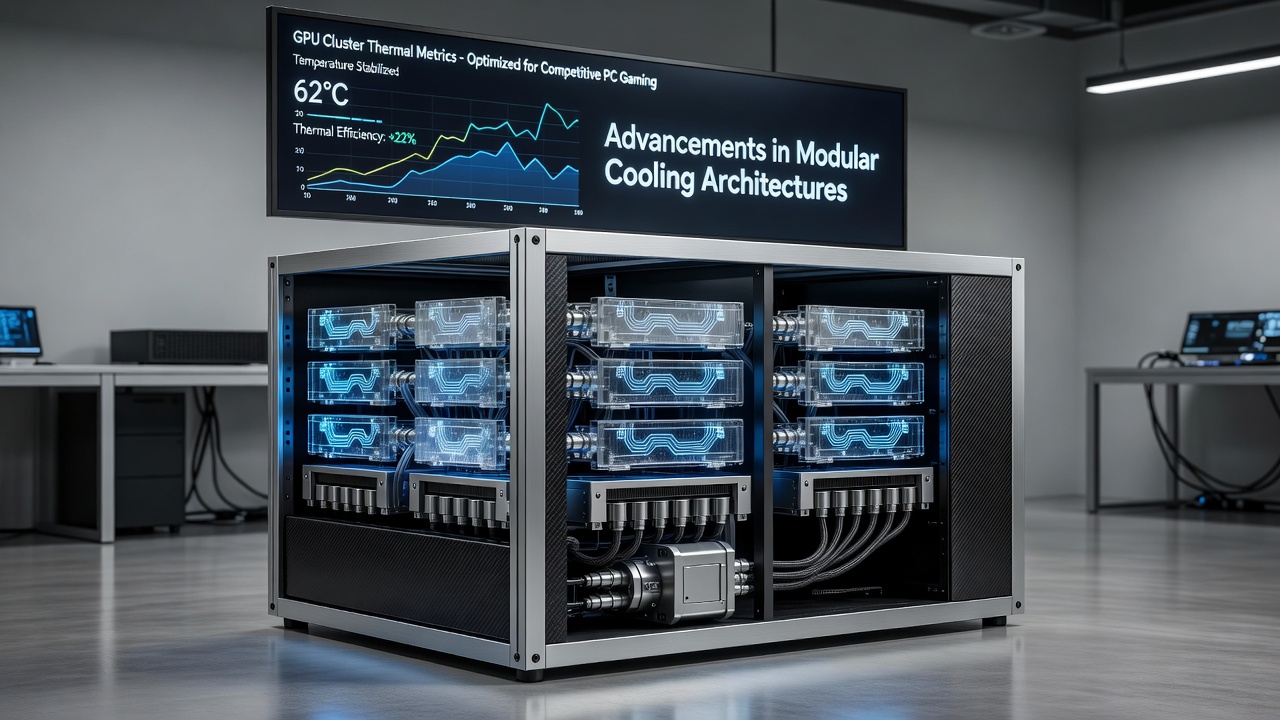
Advancements in Modular Cooling Architectures Optimizing Thermal Performance for High-Density GPU Clusters in Competitive PC Environments
High-density GPU clusters have become central to competitive PC environments where multiple graphics processing units operate simultaneously for rendering complex simulations and supporting esports training regimens. These setups generate substantial heat loads that traditional air cooling methods struggle to manage efficiently across compact chassis designs. Modular cooling architectures address this challenge by allowing components to scale and adapt through interchangeable blocks and standardized connectors that integrate liquid channels with direct-to-chip contact surfaces.
Core Principles Behind Modular Thermal Designs
Engineers construct these systems around standardized interfaces that permit individual cooling modules to attach or detach without disrupting the entire assembly, which enables rapid reconfiguration when hardware upgrades occur in training facilities. Data from industry reports indicate that such flexibility reduces downtime during maintenance cycles while maintaining consistent contact pressure between cold plates and GPU dies. Researchers at various institutions have documented how manifold distribution systems split coolant flow evenly across multiple modules, minimizing pressure drops that previously limited performance in dense arrangements.
Materials used in these modules often include microchannel copper plates paired with quick-disconnect fittings rated for repeated use in high-vibration environments typical of tournament setups. Studies conducted through 2025 and into August 2026 show thermal resistance values dropping below 0.1 °C/W in optimized configurations, allowing sustained clock speeds during extended sessions. Observers note that this consistency proves particularly valuable when clusters run parallel workloads simulating competitive match scenarios.
Integration with Existing Competitive Hardware Ecosystems
Manufacturers have aligned modular cooling solutions with common motherboard layouts and power delivery systems found in high-end gaming PCs, which facilitates adoption among teams preparing for events. Coolant distribution units now incorporate variable-speed pumps that adjust based on real-time temperature sensors embedded within each module, responding to load spikes during intensive rendering tasks. According to findings from the National Renewable Energy Laboratory, these adaptive controls can lower overall energy consumption by directing flow only where thermal demands peak rather than maintaining constant high circulation rates.
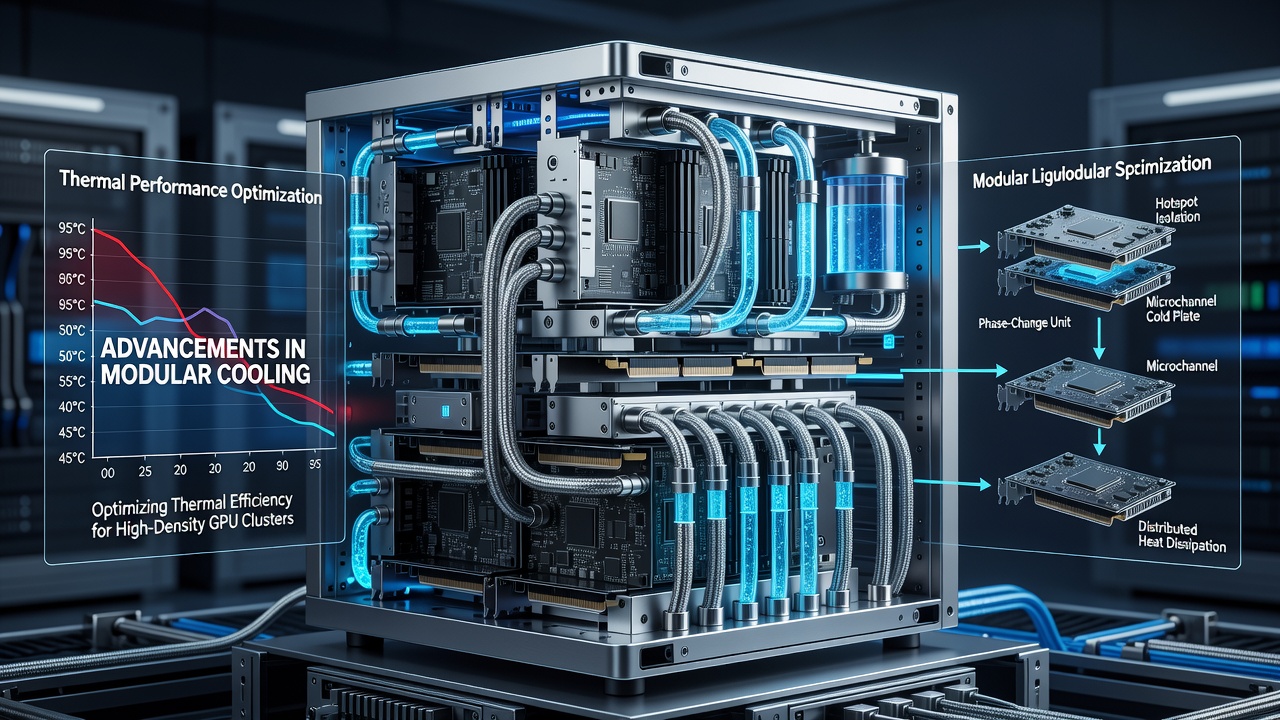
Compatibility extends to software layers as well, with monitoring applications pulling data from embedded sensors to display per-module performance metrics. Teams in professional settings have incorporated these readings into their hardware diagnostics routines, allowing preemptive adjustments before temperatures approach throttling thresholds. European research initiatives through Horizon programs have explored similar architectures, confirming that standardized module sizes improve interchangeability across different regional hardware suppliers.
Performance Metrics and Thermal Data Trends
Thermal imaging tests reveal that modular systems distribute heat more uniformly across GPU surfaces compared to legacy block designs, reducing localized hotspots that degrade silicon longevity over time. Figures released in mid-2026 from collaborative university and industry projects indicate average temperature reductions of 12 to 18 degrees Celsius under sustained multi-GPU loads when using the latest manifold configurations. These gains translate directly into higher frame consistency during practice matches and qualifying rounds where hardware reliability determines outcomes.
Power density continues to rise with each GPU generation, pushing cluster operators toward denser packing that demands precise coolant routing. Modular architectures accommodate this by permitting additional modules to insert into existing manifolds without requiring full system rebuilds. Data collected from facilities supporting cross-platform training shows that such incremental scaling keeps infrastructure costs predictable while preserving competitive edge through maintained thermal headroom.
Future Directions in Cluster Cooling Standardization
Industry groups continue refining connector standards to ensure broader interoperability, which reduces vendor lock-in and encourages wider adoption among smaller training centers. Academic papers presented at recent conferences highlight ongoing work on phase-change assisted modules that further enhance heat transfer rates in space-constrained environments. As August 2026 progresses, several manufacturers have begun shipping pre-configured kits tailored specifically for four- and eight-GPU arrangements common in competitive PC builds.
Conclusion
Modular cooling architectures represent a practical response to the thermal demands of high-density GPU clusters operating in competitive PC settings. Evidence from laboratory tests and field deployments demonstrates measurable improvements in temperature control and system uptime. Continued refinement of interfaces and materials promises further optimization as hardware densities increase through subsequent product cycles.