Adaptive Triggers Reshaping Controller Dynamics Across Hybrid Play Sessions
Devon Bauer · May 19, 2026
Adaptive Triggers Reshaping Controller Dynamics Across Hybrid Play Sessions
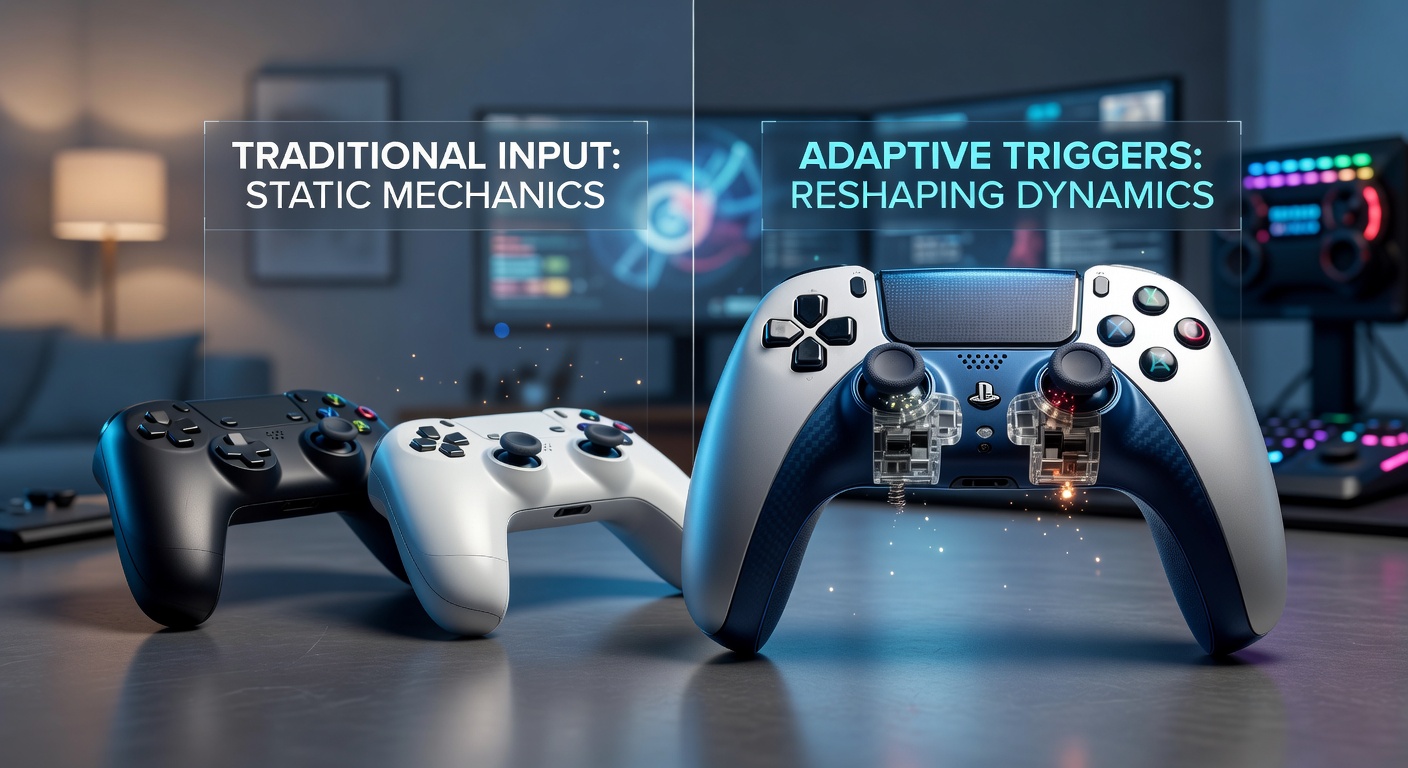
Adaptive triggers first appeared in consumer hardware with the PlayStation 5 DualSense controller released in 2020, yet their influence has expanded considerably by May 2026 as manufacturers incorporate similar variable-resistance mechanisms into devices used for mixed-platform sessions. These systems adjust physical tension on the shoulder buttons according to in-game events, which creates feedback that matches actions such as drawing a bowstring or pressing a brake pedal. Data from industry reports indicates that hardware featuring this technology now accounts for a growing share of premium controller sales across console, PC, and mobile-tethered setups.
Core Mechanics Behind Variable Resistance
Engineers achieve adaptive behavior through small motors and sensors embedded near the trigger pivots, and these components modulate force in real time based on software commands from the game engine. When resistance increases mid-pull, players receive tactile cues that communicate weapon condition or environmental factors without requiring visual attention. Studies conducted at research institutions in Canada have documented measurable improvements in reaction accuracy during timed tasks once users adapt to the new input profile. Because the same controller often switches between local hardware and cloud-streamed sessions, developers standardize trigger profiles so the physical response remains consistent regardless of the display device.
Cross-Platform Implementation Patterns
Third-party manufacturers have released modules that retrofit adaptive capabilities onto existing gamepads, and this approach allows users to maintain familiar button layouts while gaining the new feedback layer. In hybrid environments where one player alternates between a living-room console and a portable device connected to a television, the triggers maintain calibration through firmware updates pushed over the network. Figures released by the Interactive Software Federation of Europe reveal that titles supporting adaptive triggers across multiple storefronts reached over 180 million active installations by early 2026. Observers note that fighting games and racing simulations show the clearest performance shifts, since precise trigger modulation directly affects combo timing and throttle control.
Impact on Hybrid Session Workflows
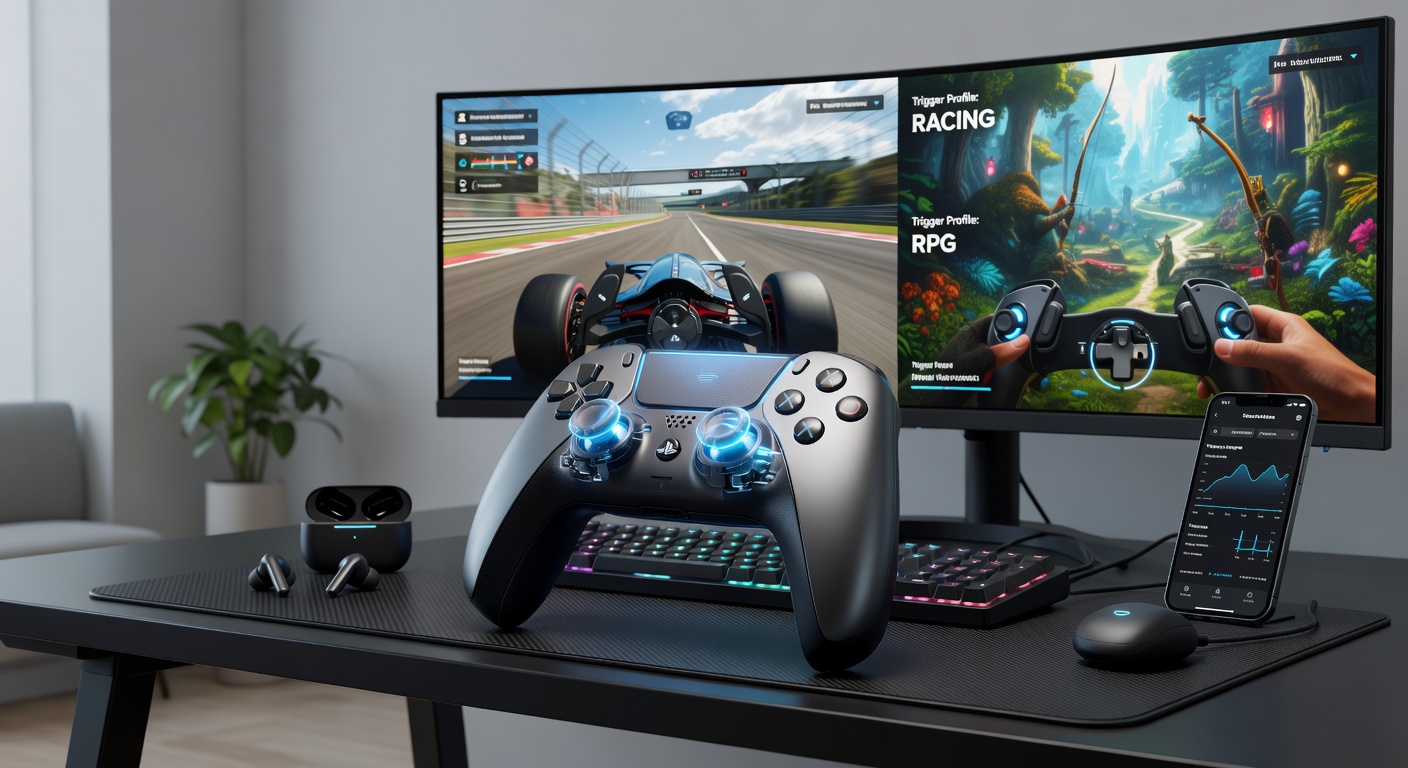
Hybrid play sessions frequently involve quick transitions between stationary and on-the-go hardware, and adaptive triggers help preserve muscle memory during these switches because the physical resistance stays tied to virtual events rather than platform-specific defaults. When a session moves from a high-definition television to a tablet screen, the controller continues delivering the same graduated tension, which reduces the recalibration period that previously interrupted flow. Research teams at Australian universities have measured lower error rates in target-acquisition drills when participants used adaptive hardware throughout an entire mixed-device sequence. Game engines now expose trigger-parameter APIs so developers can fine-tune resistance curves for each genre, and this flexibility has encouraged wider adoption in narrative-driven experiences where subtle feedback enhances immersion without overpowering other haptic channels.
Technical Challenges and Standardization Efforts
Power consumption rises when motors remain active for extended periods, yet newer battery cells and efficient motor designs have kept session lengths comparable to older controller generations. Latency between game-state changes and trigger adjustments has dropped below the threshold of human perception in most implementations, according to testing data shared by hardware certification bodies. Industry groups continue to refine communication protocols so that a single controller profile works across operating systems and streaming services, and these efforts reduce the fragmentation that once limited feature availability. Players who participate in tournaments held on hybrid stages report that consistent trigger behavior across venue hardware removes one variable from preparation routines.
Future Hardware Directions
Upcoming revisions expected later in 2026 aim to add finer granularity to resistance levels while shrinking the physical footprint of the actuator assemblies. Partnerships between chip designers and game studios focus on predictive algorithms that anticipate upcoming trigger events based on player telemetry, which could further tighten the connection between intention and physical response. Educational programs at technical colleges now include modules on haptic actuator calibration, reflecting the growing demand for engineers familiar with these systems. As more titles ship day-one support for adaptive input, the installed base of compatible controllers continues to expand beyond early-adopter segments.
Conclusion
Adaptive triggers have moved from a single-platform novelty to a cross-device standard that influences how players interact with games during hybrid sessions. Continued refinement of motor efficiency, API accessibility, and cross-platform calibration keeps the technology aligned with evolving play patterns. Data collected through 2026 demonstrates sustained integration across genres and hardware types, establishing variable resistance as a core element of modern controller design rather than an optional extra.